





Advice based on our own product information and knowledge base, not medical advice.
Earplugs for snoring: do they work, are they safe and which should you choose?
Sleeping with earplugs next to a snoring partner: what they do and don't do, whether it is safe, which type works best for side sleepers and when snoring is a reason to see your GP.
Take the next step for your hearing
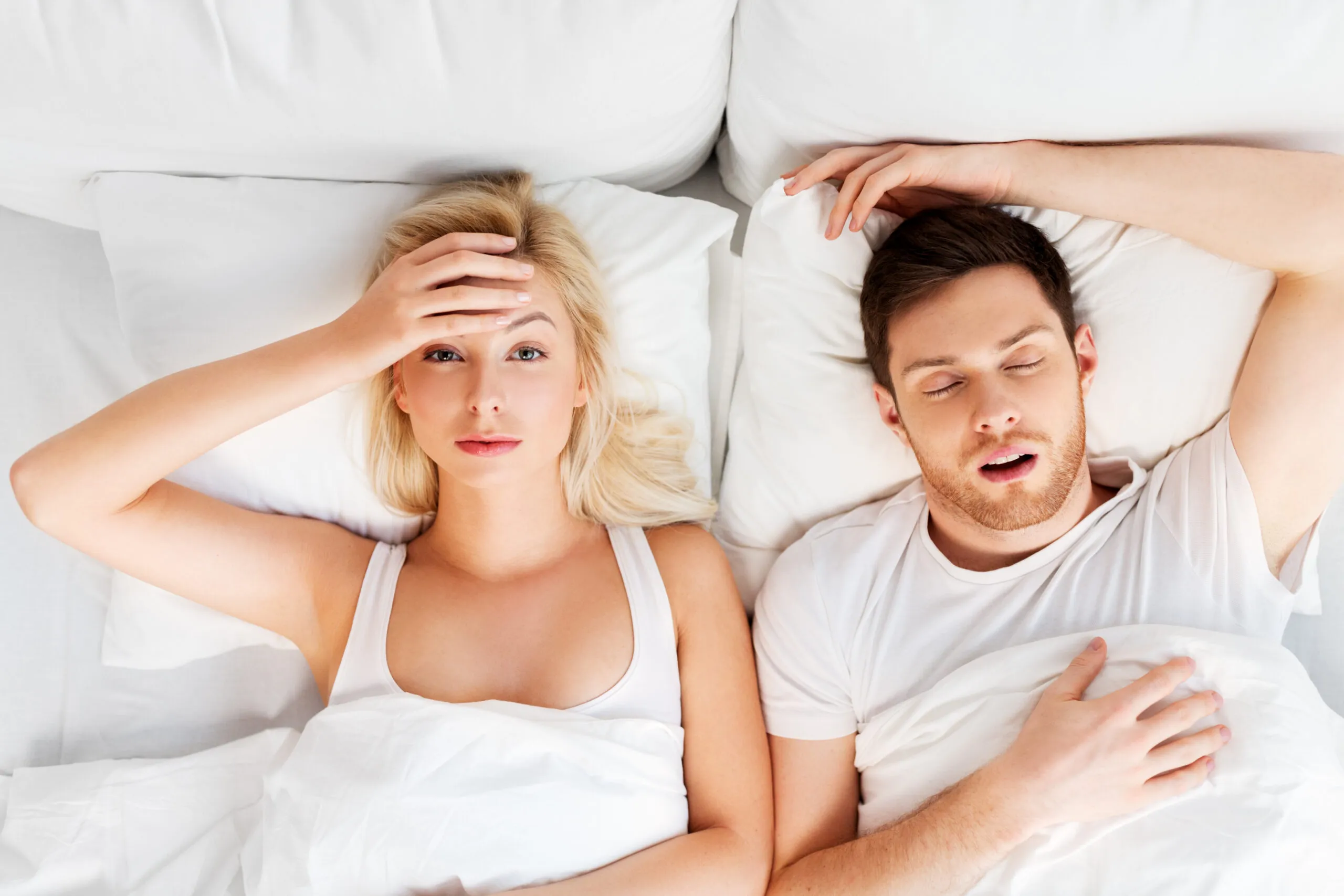
You have been lying awake for an hour, and next to you someone is sawing logs. You can nudge your partner awake, move to the sofa or put in earplugs. For many people that last option works best, provided you choose earplugs you can keep in all night.
In this article you will read what earplugs for snoring do and don’t do, which type suits you best, whether sleeping with earplugs is safe and what else you can try besides earplugs.
In short
- Earplugs don't make snoring go away, but they reduce it enough for you to fall asleep and stay asleep.
- A filter doesn't help against snoring. What counts is how well the earplug seals your ear canal and whether it stays in.
- You will still hear your alarm and a smoke alarm, just more quietly.
- Does the snorer sometimes stop breathing, or are they very tired during the day? Then it's a matter for the GP, not for earplugs.
Why snoring disturbs your sleep so much
Snoring is a hard sound to sleep through. It goes on all night, it comes from close by and it is irregular: just as you get used to the rhythm, a loud snort breaks through. It is exactly those peaks that pull you out of your sleep.
You don’t even have to wake up fully. Noise can briefly interrupt your sleep without you remembering it in the morning. Your body then has to work its way back into deeper sleep again and again, and after eight hours in bed you wonder why you are still so tired. If you sleep badly for weeks or months, you notice it in your mood, your concentration and your patience.
You can do something yourself about many things that disturb sleep: less screen time before bed, good curtains, a regular routine. Noise is harder, because it comes from someone else. That applies to a snoring partner, but also to traffic, neighbours or a railway line behind your house.
What earplugs for snoring do and don’t do
Earplugs reduce the sound that reaches your eardrum. As a result you fall asleep faster and are woken less often by a loud snore. That is the whole effect, but it is often enough.
For sleeping, a filter that lets certain tones through, like the ones in earplugs for music, is no use. Snoring is a broad, low sound, and the only way to block it is to seal the ear canal as well as possible. That is why sleeping earplugs are closed. The better they seal, the more sound falls away. If there is a small gap anywhere, it is precisely the low snoring sound that leaks past.
It never goes completely silent. You will still hear a loud snore twenty centimetres from your ear, just a lot more quietly. Knowing that in advance means you are usually happier afterwards. Customers who sleep with custom earplugs describe the difference like this:
"Friendly and nice service. Fast procedure. Good quality product. Ordered sleeping earplugs. Now sleping better than ever."
Vytautas Rasimavičius · 5 stars
"Living close to a railway line is no fun. To dampen the noise I had custom earplugs made. After years I can finally say I've had a full night's sleep, thanks to the earplugs."
Marion van der Wiel · 5 stars · translated from Dutch
Both reviews come from customers with custom sleeping earplugs and also appear in our customer reviews.
Which earplugs for snoring work best?
There are roughly four types. They differ mainly in how well they seal, how comfortable they are when you lie on your side and what they cost you per year.
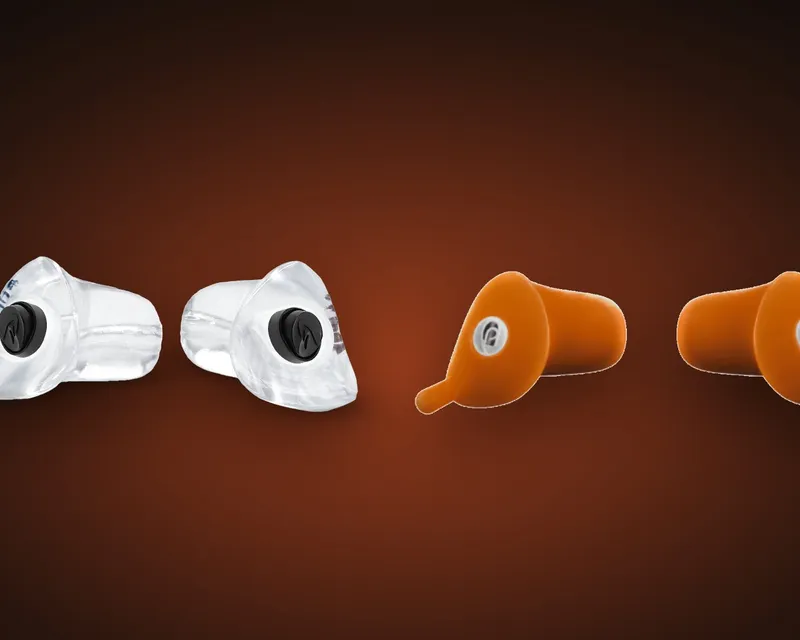
Foam
Attenuation: high on paper, but only if you roll them up properly and insert them deep enough. Comfort: start to press after a few hours and stick out, which is awkward for side sleepers. Cost: cheap per pair, but you only use them for a few nights, so it adds up.
Wax
Attenuation: seals the entrance to your ear well, even if it has an unusual shape. Comfort: soft and flat, but sticky, and it can cling to your hair or pillow. Cost: single use or a few uses, so here too you keep buying new ones.
Universal silicone
Attenuation: varies; with fixed sizes they seal well for one person and not for another. Comfort: reusable, but the stems or rings press when you lie on your side. Cost: last a while if you keep them clean.
Custom sleeping earplugs
Attenuation: as much as a closed earplug can give, because it seals exactly your ear canal. Comfort: don't stick out and stay in place when you turn over. Cost: €119.95 with at least 2 years' warranty. Spread over two years that is about €60 a year, and less if they last longer.
For a single night on a campsite or in a hotel, foam earplugs from the chemist are fine. If you sleep next to a snorer every night, you often run into problems: sore ears, plugs left behind in your pillow at night, too little attenuation or a plug that sits so deep it feels stuffy. Then you give up and lie awake again. What the difference between universal and custom means in practice is also explained in universal earplugs or custom earplugs.
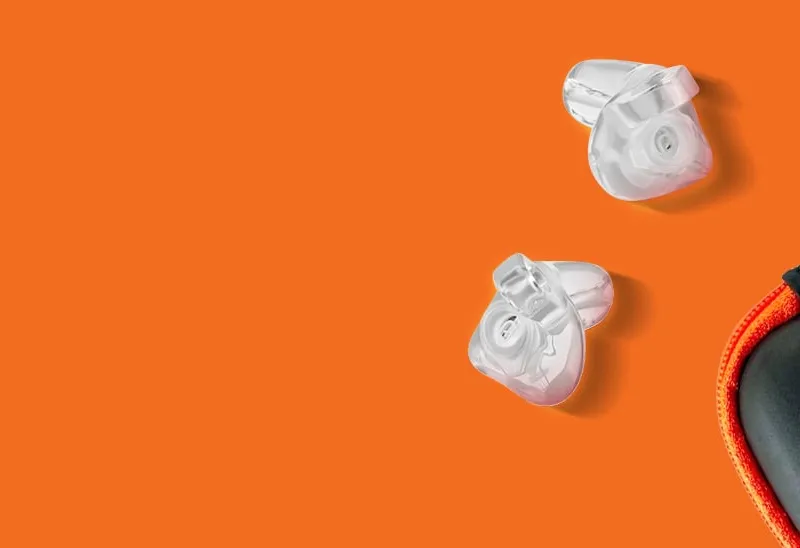
We make custom sleeping earplugs from an impression of your ear, in soft silicone or in an extra-soft version for sensitive ears. They have no filter and seal as well as possible. We produce them in our own 3D lab in Eindhoven; allow 15 working days for production, and a rush order is possible. You get at least 2 years’ warranty and a 6-month comfort guarantee.
Sleeping with earplugs as a side sleeper
For side sleepers, the shape of the earplug matters more than the attenuation. A plug that sticks out presses against your pillow all night, and after a few hours you feel it in your ear. When you turn over, it works loose or falls out.
A custom earplug sits flat in your outer ear and doesn’t stick out. That means there is no pressure point when you lie on your side, and it stays in place when you change position. If you have sensitive ears or sleep on your side almost all the time, the extra-soft version is worth considering.
Is sleeping with earplugs safe?
The question we hear most often: will I still hear my alarm? Yes, just more quietly. Continuous background noise such as snoring or traffic largely falls away, while a loud sound close by still gets through. Think of your alarm clock next to the bed, the baby monitor or a smoke alarm in the house.
Tip
Test it the first night you wear them: set your alarm at its normal volume and see whether it wakes you. If you are a very deep sleeper, turn it up a little or put it closer, or use a vibrating alarm under your pillow.
For your ears themselves, sleeping with earplugs is not a problem for most people, as long as you do a few things right. Never push an earplug further into your ear than necessary; a custom earplug has a fixed position and cannot go too deep. Why inserting too deep is a risk is explained in earplugs too deep in your ear. If you get pain, itching, a blocked feeling or discharge from your ear, stop for a few nights and have it checked by your GP if the symptoms persist. Want to know whether wearing earplugs can do harm in the long run? Read are earplugs bad for your ears?
Hygiene and care
Cheap foam earplugs have a bad reputation because they get dirty quickly and can cause irritation. Reusable earplugs are more hygienic, precisely because you can clean them. Rinse them with lukewarm water, let them dry properly and keep them in their case. It is better to avoid soap and harsh cleaning products, because they damage the silicone. How best to keep them clean is explained in how to clean earplugs.
Besides earplugs: what else helps?
Earplugs solve your side of the problem. Sometimes there is also something to gain on the snorer’s side, or a combination works.
- The snorer's sleeping position. Many people snore mainly on their back. Sleeping on their side often helps.
- No alcohol just before bed. Alcohol relaxes the muscles in the throat, and that often makes snoring worse. The snorer's GP can advise on other things that really help.
- Go to bed before the snorer. If you are already asleep before the snoring starts, you are often less likely to wake up.
- Soft background sound. A fan or white noise at low volume makes the peaks less noticeable. Combined with earplugs, that works better for some people than earplugs alone.
Note: snoring or sleep apnoea?
Do you sometimes hear your partner stop breathing, followed by a snort or a gasp for air? Are they very tired or sleepy during the day, or have they had a blocked nose for a long time? Then it may be sleep apnoea. In that case, contact your GP (family doctor). Your own doctor can advise you on the options in your country.
Who else are sleeping earplugs useful for?
Not just people next to a snorer. Sleeping with earplugs is also a lifesaver if you are a light sleeper who wakes at every sound, if you work nights or shifts and have to sleep during the day, or if you live next to a busy road or a railway line.
They help when travelling too. You are used to the sounds of your own home, but in a hotel, on a campsite or on a plane, new sounds catch your attention. With the case, they are easy to take with you. During the day you can use them to study with concentration or to reduce sensory input; in that case, check whether an earplug with a filter suits you better, so you can still follow conversations.
Custom SleepzZCustom sleeping earplugs, made for every nightSoft silicone, no filter, suitable for side sleepers. €119.95. View the SleepzZWould you like to know first how the fitting works or which version suits you? Book a free fitting at one of our locations, and we will take an impression of your ears and look at what you need together. Not near one of our locations? Have impressions taken locally and send them to us.
Sources
- Thuisarts.nl (Dutch GP guidance, in Dutch): Snoring
- Thuisarts.nl (Dutch GP guidance, in Dutch): Sleep apnoea
Your own doctor can advise you on the rules and options in your country.

Got a question? We're all ears.
Frequently Asked Questions
Read MoreFAQ
Yes, although they don't make the snoring go away. They reduce the sound enough for you to fall asleep more easily and wake up less often. It never goes completely silent: you will still hear loud snoring close by, just more quietly. How much difference they make depends mainly on how well the earplug seals your ear canal.
Earplugs without a filter that seal your ear canal well and that you keep in all night. On paper foam blocks a lot, but only if you insert it properly. Wax seals well but is less hygienic. For every night, custom sleeping earplugs made of soft silicone are the most comfortable: they don't stick out and stay in place when you turn over.
For most people it is, as long as you keep them clean, they fit well and you don't push them too deep into your ear. Rinse them regularly with lukewarm water and let them dry properly. If you get pain, itching or a blocked feeling in your ear, stop for a while and have it checked.
Yes, just more quietly. Continuous sound such as snoring or traffic largely falls away, but a loud sound close by, such as your alarm clock, a baby monitor or a smoke alarm, still gets through. If you are a very deep sleeper, turn your alarm up a little or put it closer, or use a vibrating alarm under your pillow.
Earplugs that don't stick out of your outer ear. Universal plugs press against your pillow and can fall out when you turn over. Custom sleeping earplugs sit flat in your ear, so there is no pressure point when you lie on your side. For sensitive ears there is an extra-soft version.
When the snorer sometimes stops breathing during sleep, is very tired or sleepy during the day, or has had a blocked nose for a long time. That can point to sleep apnoea. In that case, contact your GP. Earplugs help you sleep, but they don't solve that problem for the snorer.