







Advice based on our own product information and knowledge base, not medical advice.
Earplugs for autism: less sensory overload at school, at work and in bed

Many autistic people process sound more intensely. Read when filter earplugs, noise cancelling or sleeping earplugs help, what suits children and adults, and why you should wear them selectively.
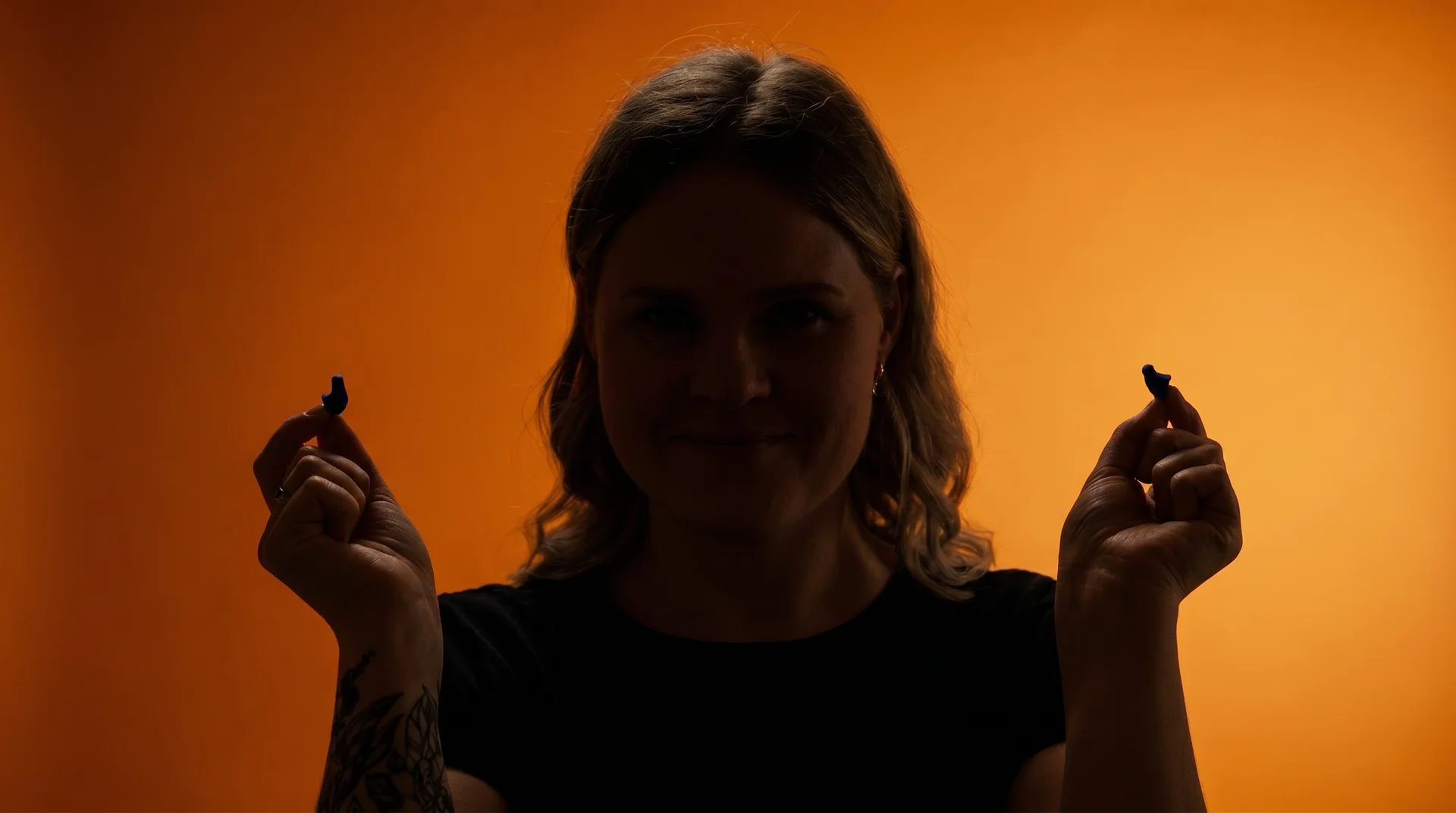
Take the next step for your hearing
The buzz of a canteen, a fluorescent light humming, a colleague clicking a pen. For one person it is background noise; for another it is everything you can hear in that room, all at once and all equally loud. Many autistic people know that second feeling.
Autism is not a lack of something but a different way of perceiving and processing. Autism-Europe points out that many autistic people experience sensory input differently: they can be more sensitive, or less sensitive, than others to sound, light, smell, taste or touch. Everyone is different in this. Some people notice little of sound, others quickly become overloaded by it. This article is about that second group, and about what earplugs can and cannot do for them.
In short
- Earplugs with a filter make everything quieter without shutting you off. Speech stays understandable.
- Noise cancelling is strong against constant, low sound, and less so against voices and sudden sounds.
- For sleeping, a closed sleeping earplug works better than one with a filter.
- Wear them selectively in busy situations. Shielding yourself all day can actually make you more sensitive.
Why sound can be so much
Your brain takes in sound all day long. Normally it filters out a lot of it: the traffic outside, the conversation at the next table, the noise of the coffee machine. Whatever isn’t important moves to the background.
In many autistic people that filter works differently. Sounds come in more fully and keep demanding attention, even when they aren’t important. Unexpected sounds, such as a door slamming or a child screaming, can startle or even hurt. When a lot of input comes at once, your head fills up. That costs energy, and if you are already drained at the end of a school or working day, you start avoiding busy situations over time. A birthday party, the supermarket on a Saturday or a train journey in the rush hour then become a challenge.
This doesn’t only apply to autism. People with ADHD, or people who recognise themselves in high sensitivity (HSP), also often tell us that sound quickly becomes too much. Sometimes hyperacusis plays a part too: an oversensitivity to sound in the hearing system itself, where ordinary sounds seem too loud or painful. It can occur alongside autism and needs its own approach.
Noise cancelling or earplugs with a filter?
This is the question we get most often. The honest answer: they do different things, and many people end up using both.
Noise cancelling
Headphones or earbuds that use microphones to create counter-sound. Strong against constant, low sound: train, plane, ventilation. Less effective against voices, clinking and sudden sounds. You can play music or noise through them. Drawbacks: a battery that can run flat, headphones are big and warm, and some people find the effect itself gives a strange feeling of pressure.
Earplugs with a filter
Passive attenuation without a battery. A flat filter makes low, mid and high tones roughly equally quieter, so everything comes in less loudly but conversations stay understandable. Small, discreet and always ready. They take away a constant hum less strongly than noise cancelling and don't filter out specific sounds.
Sleeping earplugs
Closed earplugs without a filter, for as much attenuation as possible. Meant for the night or for a moment when you really don't want to hear anything. Less practical during the day: following a conversation is hard with them in.
A rule of thumb from practice: noise cancelling for long journeys and monotonous noise, filter earplugs for the classroom, the office, the shop and places where you talk to people, and sleeping earplugs for the night.
Which Audinc earplugs fit this?
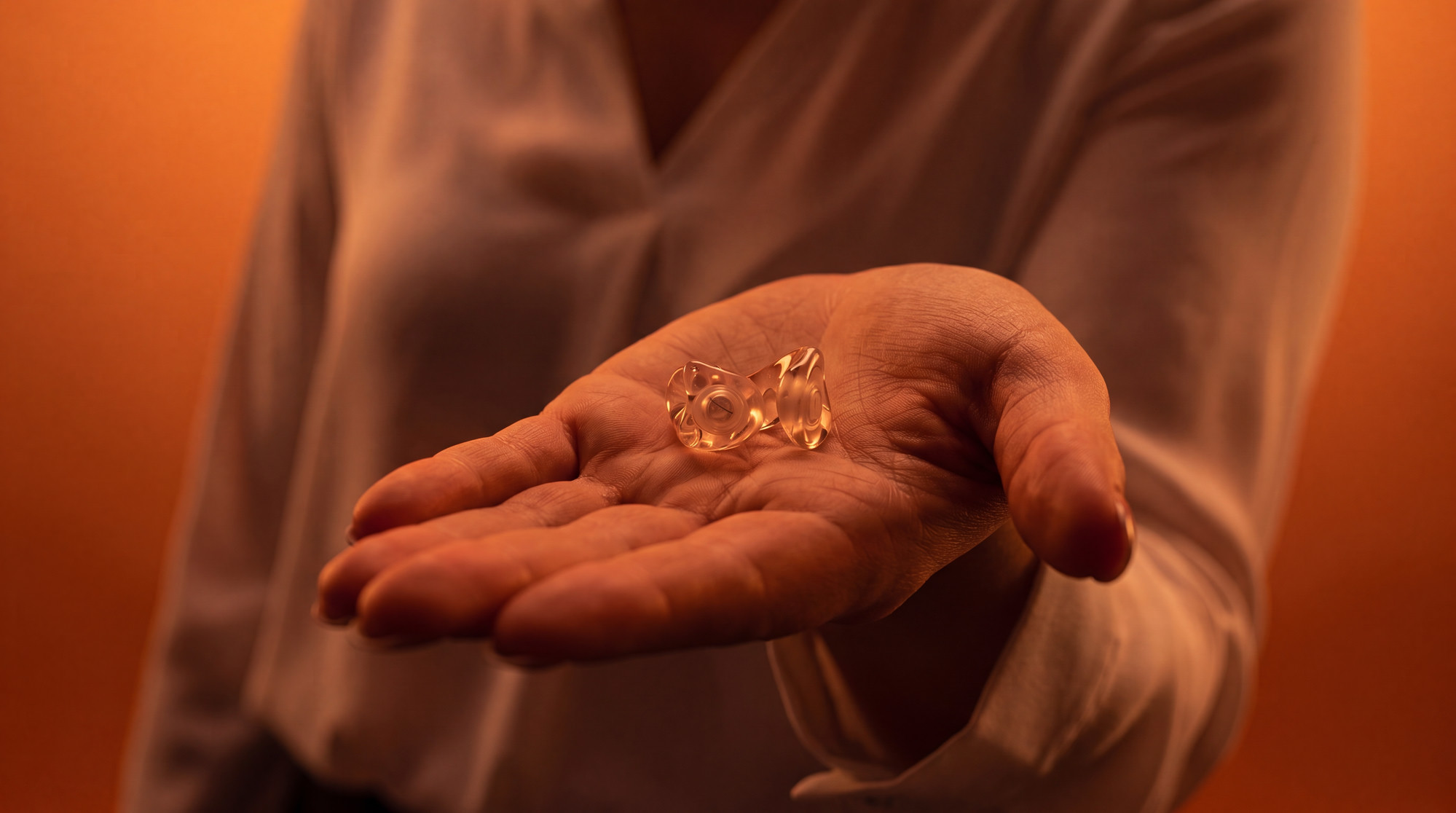
The Custom Pure Tones is made for daytime use. It has a flat filter, and depending on the filter the attenuation is between SNR 16 and 23 dB. With the Click upgrade you switch to a stronger setting with one press (up to SNR 28 dB), which is handy when it suddenly gets much busier. The Custom Pure Tones costs €159.95.
For the night there is the Custom SleepzZ, a closed sleeping earplug without a filter made of soft silicone, also available in an extra-soft version. It costs €119.95. More about sleeping with earplugs, including as a side sleeper, can be found in earplugs for snoring and sleeping with earplugs.
We make both from an impression of your ear, in our own 3D lab in Eindhoven. Production takes 15 working days, and a rush order is possible. In the first three months we change the filter free of charge if the strength doesn’t suit you after all. You can see all the options side by side at earplugs for sensory overload.
When earplugs are a stimulus themselves
Many people who are sensitive to sound are also sensitive to what they feel in or on their ears. Foam earplugs that press, or universal plugs that shift, then become a source of unrest themselves. A custom earplug follows the shape of your ear canal, doesn’t press anywhere and stays in place. That’s why after a while you hardly feel it. If it still doesn’t feel comfortable, our 6-month comfort guarantee covers it.
Adults: work, study and on the move
For adults, it is often about the places you can’t just walk away from. An open-plan office with phones and conversations all mixed together. A lecture hall, a canteen or a meeting. The train, the bus and the station in the rush hour. And social occasions: a birthday party, a restaurant with loud music, a concert.
In those situations a filter earplug can make the difference between coping and going home early. You still understand what is being said, but the buzz around it comes in less loudly. Because they are small and discreet, usually nobody notices that you are wearing them.
Tip
If it is mainly about a quiet place to work, also discuss with your employer what is possible, such as a quieter spot or fixed times without meetings. Earplugs are one aid; a low-stimulus environment is often just as important.
Children: at home, at school and beyond
For children, school is often the biggest challenge. A class of thirty children, the gym, the playground and the canteen are places full of echo and unexpected sounds. Filter earplugs can help a child get through a school day more easily while still understanding the teacher. Do talk to the school, so the teacher knows why your child is wearing them.
Custom earplugs are possible even for young children. There is no fixed minimum age, but it usually goes well from about 4 years. The child needs to be able to sit still for a few minutes while the impression material sets, and the ear canal has to be large enough. Children’s ears grow, so for young children a set lasts less long. You can read more in from what age you can have earplugs fitted.
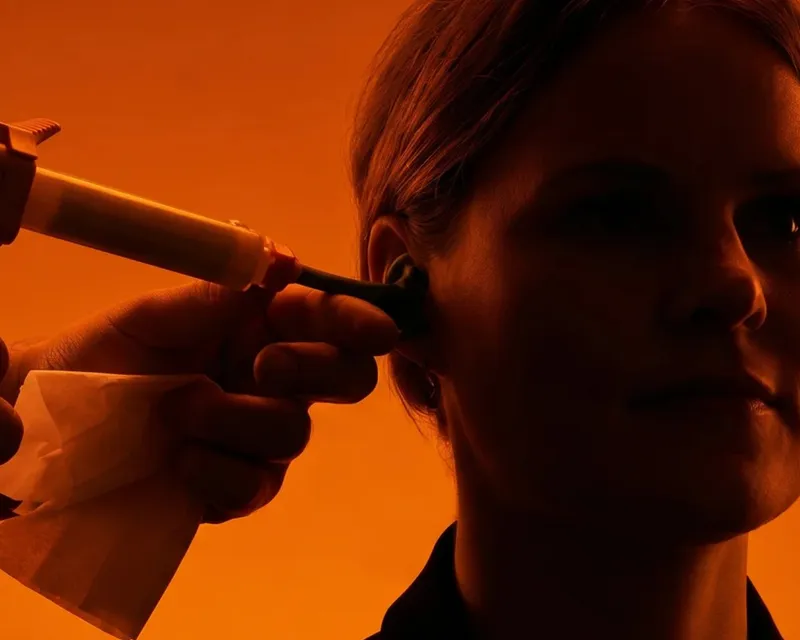
Is your child sensitive to new situations? It helps to go through what will happen together beforehand. How does fitting earplugs work? explains it step by step: we look in the ear first, place a small piece of cotton wool for protection, inject a soft silicone paste and take it out again after a few minutes.
Use them selectively, not all day
This may well be the most important advice. If you shield yourself from ordinary, everyday sounds all day, over time you can actually become more sensitive to them. Hospitals in the Netherlands that support people with oversensitivity to sound, such as the Jeroen Bosch Hospital, also warn about this.
- Wear them in situations that get too much for you, such as a crowded canteen, the rush hour or a party.
- Take them out when it is quiet, at home on the sofa or during a walk.
- Don't automatically choose the strongest filter. The more you shut out, the bigger the contrast when you take them out.
- If ordinary sounds become more and more painful, talk to your GP about it. Sometimes support from an audiology centre is useful.
Earplugs don’t change how you process sensory input. They are an aid to help you cope better with situations, alongside other things that help, such as breaks, predictability and a place to retreat to. Reliable information about autism can be found at Autism-Europe and in the WHO fact sheet on autism; for help and support, ask your GP or an autism association in your country.
Earplugs for sensory overloadTurn the world down a littleFilter earplugs for the day and sleeping earplugs for the night, custom-made. View the optionsSources
- Autism-Europe: About autism
- World Health Organization: Autism (fact sheet)
- Jeroen Bosch Hospital, the Netherlands (in Dutch): Oversensitive to sound: tips for coping with hyperacusis
Your own doctor can advise you on the rules and options in your country.
Got a question? We're all ears.
Frequently Asked Questions
Read MoreFAQ
They can help if sound quickly becomes too much for you. Earplugs with a filter make all sound quieter without shutting you off, so you take in less sensory input in a busy classroom, an office or on the train while speech stays understandable. They don't change how you process sensory input, but they do give you more room. Wear them selectively in busy situations, not all day.
That depends on the sound. Noise cancelling works well against a constant, low sound such as a train, a plane or ventilation, but less well against voices and sudden sounds, and it needs a battery. Earplugs with a filter reduce all tones by roughly the same amount, are small and always ready to use. Many people use both, each for its own situation.
There is no fixed minimum age, but it is usually possible from about 4 years. The child needs to be able to sit still for a few minutes and the ear canal has to be large enough. Because children's ears grow, a set lasts less long for young children than for adults. If in doubt, contact us first.
Better not. If you shield yourself from ordinary, everyday sounds all day, your hearing can actually become more sensitive. Use them in situations that get too much for you, such as a crowded canteen, a party or the rush hour, and take them out when it is quiet.
Sleeping earplugs without a filter that seal your ear canal as well as possible, such as the Custom SleepzZ. Earplugs with a filter are meant for daytime use; for sleeping you want as much attenuation as possible and a plug that doesn't stick out when you lie on your side.
Related blog articles
Custom earplug fitting: how it works, step by step

Earplugs for fireworks: how to protect your ears (and your children's)

Hard or soft custom earplugs: material, colour and which one suits you