





Earplugs for going out: hearing protection in the nightlife
Why you hear a ringing in your ear after a night out, what it means and which earplugs really protect you in the club without missing conversations.
Take the next step for your hearing
You get home at four in the morning, the house is quiet, and then you hear it: a high-pitched ringing that was not there all evening. Almost everyone who goes out knows that sound. It feels harmless, because the next morning it is usually gone. Yet it is exactly the signal you need to act on. In this article you can read how loud the sound in a club really is, what that ringing in your ear after a night out means and which earplugs really protect you in the nightlife — while you keep understanding your friends.
How loud is the sound in a club?
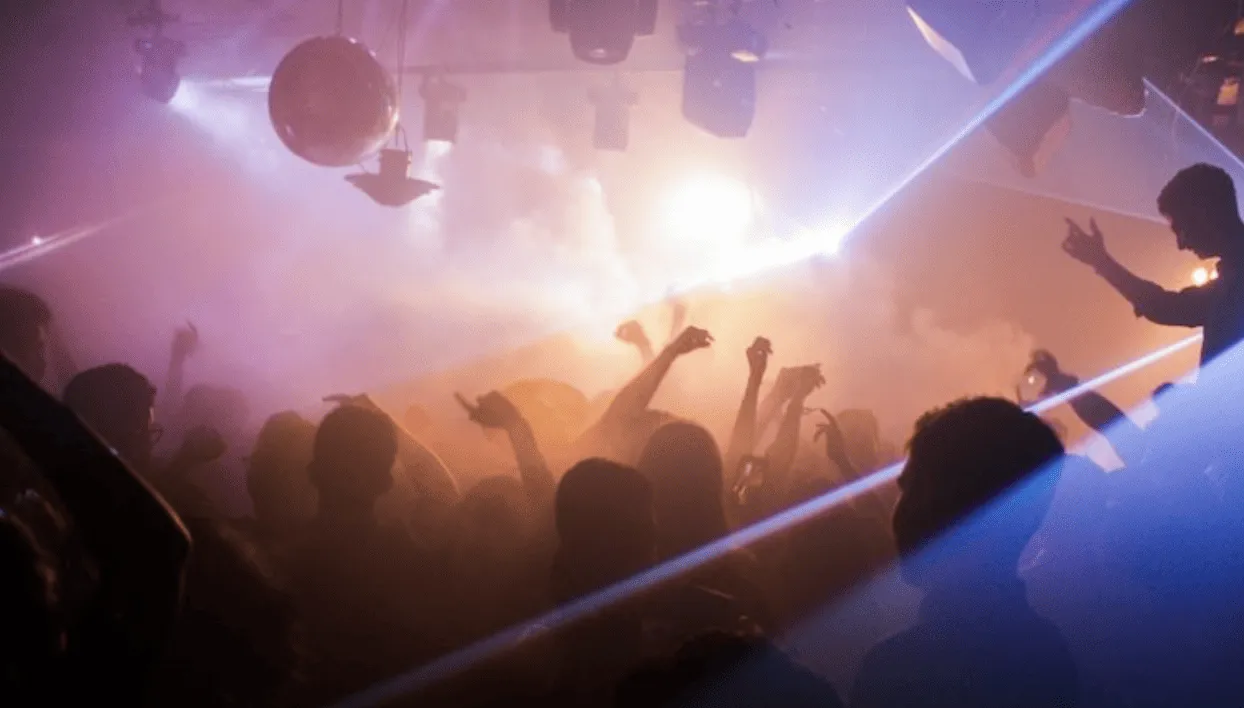
From around 85 decibels onwards you already run a risk of hearing loss or tinnitus with prolonged exposure. In bars, discos and clubs the sound level is well above that: concerts and club nights regularly reach 100 decibels or more. At that level it is no longer a matter of hours, but of a far shorter stretch of time before damage occurs.
The tricky part is that you do not notice it on the dance floor. Loud sound does not feel painful, at most impressive. The damage happens quietly, and you only see the effect years later in a hearing test.
What happens inside your ear
In your inner ear, in the cochlea, sit hair cells that convert vibrations into signals for your brain. Loud sound damages those hair cells, and damaged hair cells never repair themselves. No new ones grow. Hearing damage is therefore permanent and cannot be cured.
This form of noise damage is called NIHL (Noise Induced Hearing Loss). The symptoms vary: hearing loss at high frequencies, a feeling of pressure in the ears, or tinnitus. Because the loss often starts with the high tones, it goes unnoticed for a long time. You still follow conversations perfectly well, until suddenly you no longer can in a busy room.
That ringing in your ear after a night out: what is it?
The ringing you hear after a night out is called tinnitus. It is a condition in which you hear a sound that does not come from outside: a ringing, a whistling tone, a buzzing or a continuous hissing. One person hears a faint background hiss, another a permanently audible tone.
Exposure to loud music is the best-known cause, but not the only one. Stress, fatigue, an ear infection, certain medications, high blood pressure or elevated cholesterol levels can all play a part. If you have any of those, the chance is greater that the ringing after a night out lasts longer. You can read more background in our article on tinnitus and ringing in the ears.
Above all, see that ringing for what it is: a warning. Your ears are letting you know they have had too much to put up with. The fact that the ringing is gone the next day does not mean nothing happened.
How long does the ringing last, and when do you see a doctor?
Usually, tinnitus after a concert or a club night is limited to a few days. For some people it lasts longer, sometimes weeks. Exactly how long depends on the sound level you were exposed to and on your personal sensitivity.
Do the complaints persist after two weeks, or does the ringing keep coming back? Then seek professional help from a doctor or hearing care professional. With sudden hearing loss or pain, do not wait either.
There is no cure for tinnitus itself, but relief is possible. Background sound — calm music, rain, a babbling brook — masks the ringing and makes it less intrusive. A clean ear helps too: earwax protects your ear canal, but a build-up can cause a blockage and actually lead to more ringing. Do not push anything in yourself; have the earwax removed professionally.
”I am used to it” is precisely the danger
Many people who go out often say at some point that they barely hear the ringing any more, or that loud sound no longer bothers them. That sounds like getting used to it, but it is usually something else: your hearing has already become less sensitive. What you call “getting used to it” is often the beginning of loss.
While you can still choose, there are a few things you would do well to do. Limit the time you spend right by the speakers and decide in advance when you will step away from the sound. And give your ears breaks: a quarter of an hour outside or in the cloakroom gives them the chance to recover, and it also stops you becoming overstimulated.
Which earplugs are suitable for going out?
Cheap foam plugs are not a good solution for the club. They fall out easily, are hard to insert properly, sit uncomfortably after an hour and attenuate so unevenly that you can no longer understand anyone. That is exactly why people end up taking them out again.
What matters in earplugs for the club is flat attenuation: a music filter that dampens all frequencies by roughly the same amount. The music therefore sounds quieter, but not dull or tinny, and you can still follow a conversation at the bar. That is the difference between hearing protection you keep in all evening and hearing protection that ends up in your coat pocket.
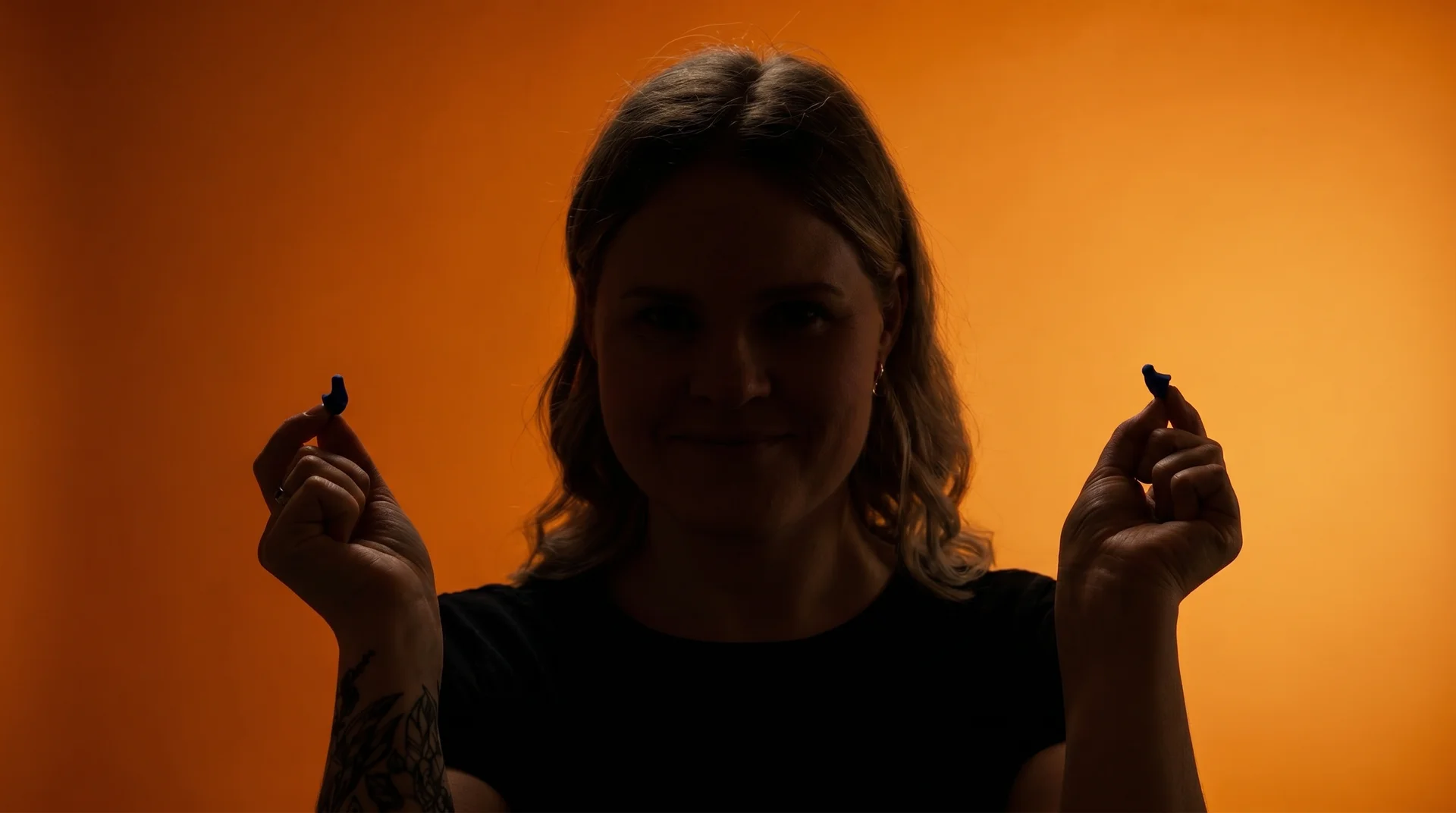
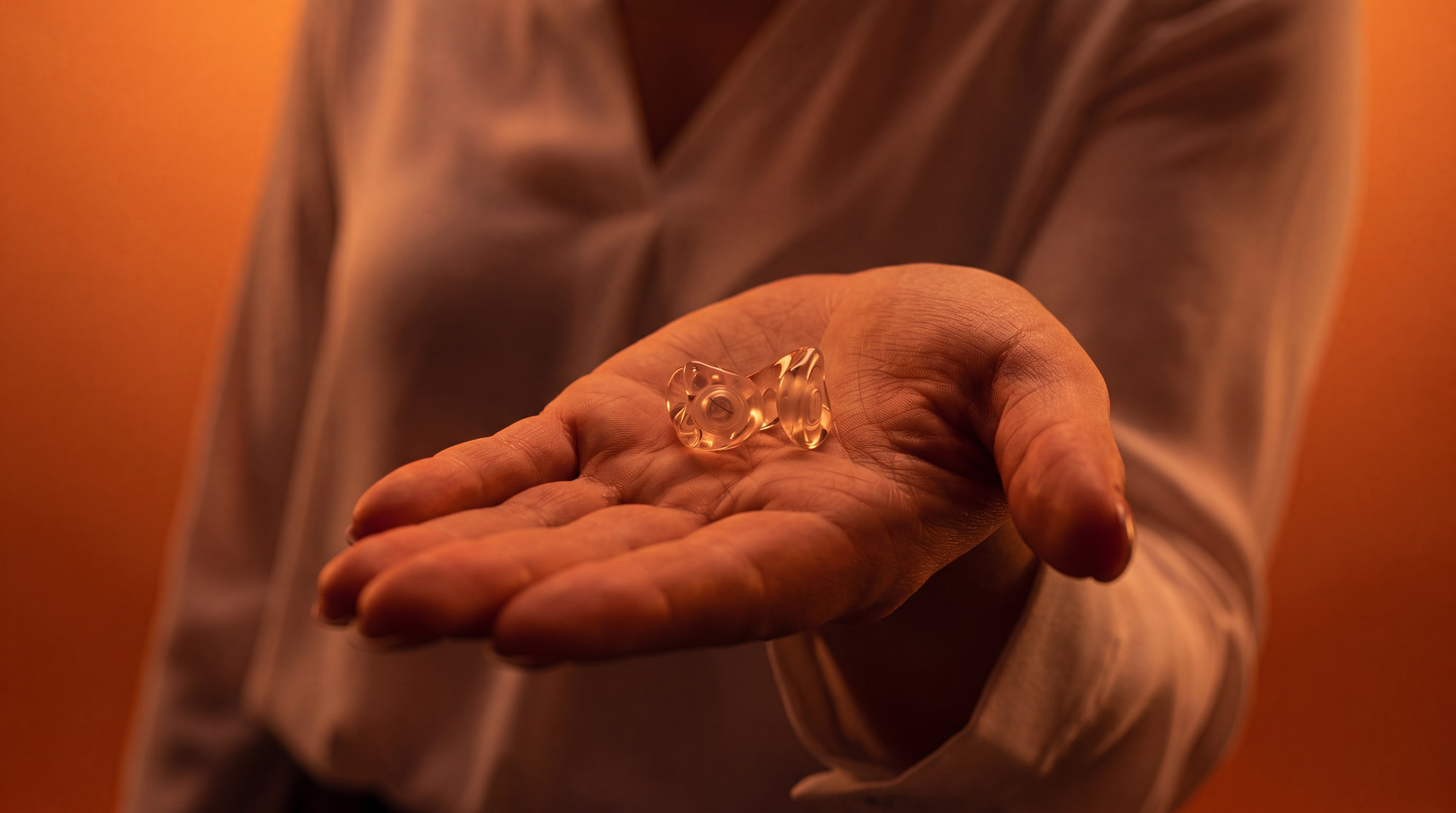
Custom-made earplugs are made from an impression of your own ear. You can choose between soft silicone and sturdy acrylic, both with a coating that makes them low-allergen and easy to keep clean. They stay put, do not fall out while you are dancing and are barely visible. Take a look at the range for music and going out or, if you are mainly out in a field in summer, at the festival earplugs.
Are you there every week? DJs, bar and security
For visitors it is a matter of a few evenings a month. For anyone who works in the nightlife, the exposure adds up week after week. DJs, technicians, bar staff and security are exposed to 100 decibels or more week in, week out, and on top of that they have a professional interest in still being able to understand colleagues and guests.
For that group, earplugs with a music filter are not a luxury but basic equipment. The material used is strong enough for daily, long-term use and, with good maintenance, lasts for years — sustainable hearing protection that costs less per year than the foam plugs you keep replacing. Employers will find more information at hearing protection for work.
Make sure the ringing stays away
Your ears only give you one friendly warning. That ringing in your ear after a night out is that moment. We make your earplugs in our own 3D lab in Eindhoven, with a production time of 15 working days (a rush option is available), at least 2 years’ warranty and a 100% comfort guarantee: if they do not fit properly, we adjust them.
Book an appointment for an ear impression or get in touch if you want to know which filter suits your evenings.
Got a question? We're all ears.
Frequently Asked Questions
Read MoreFAQ
Usually a few hours to a night. If the ringing has not gone after 24 hours, contact your GP or an ENT doctor — the sooner it is looked at, the better. If it stays longer than that, there may be permanent damage.
That ringing is a warning: your hair cells have had too much sound. After one time they usually recover, but with every repeat the damage becomes a little more permanent, and that cannot be repaired. If you hear the ringing more often, take it as the signal to wear hearing protection from now on.
Earplugs with a music filter. That filter attenuates all tones about equally, so the music sounds softer but not dull or tinny. It keeps the sound level safe without you missing half the night — see earplugs for going out and festivals.
Yes. Precisely because a music filter attenuates evenly, speech often becomes easier to follow rather than harder: the music comes down and you have to raise your voice less. Many people only notice how much easier a conversation is once they have worn them for an evening.
Better than nothing, certainly. But they mainly attenuate the high tones, so the music sounds dull and you take them out halfway through the evening — exactly when it is loudest. They also sit loosely, so sound still leaks past the edge.