





Ear Pain After Swimming: Causes and What You Can Do About It
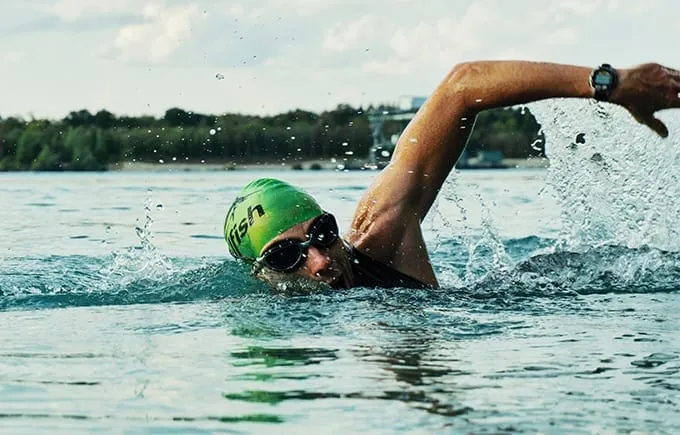
Ear pain after swimming? Read about the causes, when to see your GP, what you can do yourself and how to prevent it with custom swim plugs »
Take the next step for your hearing
You swim lengths for an hour, step out of the shower, and then it starts: a nagging, pressing or stabbing feeling in your ear. Ear pain after swimming is a common complaint and usually harmless, but not always. In this article you’ll read what the causes are, how to tell when you can simply sit it out and when it’s better to call your GP. You’ll also read what you can do yourself and how custom swim plugs stop the pain coming back time after time.
Water in your ear canal: the most common cause
By far the most cases of ear pain after swimming are caused by water sitting in the ear canal. Your ear canal is a narrow, slightly curved passage. Once a drop is stuck at the back, surface tension keeps it from coming out on its own.
At first that mostly feels like a blocked ear: sounds are muffled and it seems as though there’s cotton wool in your ear. If the moisture stays put for longer, the protective layer of skin in your ear canal softens. Bacteria then get a hold on the skin more easily, and that is exactly the point at which mild irritation can turn into real ear pain. You can read more about the different causes of a muffled ear in our article on a blocked ear.
If that skin does become inflamed, we call it swimmer’s ear (otitis externa). You recognise it by pain that gets worse when you pull on your outer ear or when you chew, by itching, sometimes by discharge, and by reduced hearing. It rarely clears up by itself and belongs with your GP. Read more about it in our article on swimmer’s ear.
Cold water, wind and chlorine
Not every pain after swimming comes from an infection. Cold water on your eardrum gives a sharp, short-lived stab of pain that often fades again within a few minutes. If you swim outdoors, wind comes on top of that. In the long run, that combination of cold and wind is not harmless: in people who swim or surf in open water for years, extra bone growth can develop in the ear canal, known as surfer’s ear. That process is slow and you only notice it once the ear canal has already narrowed, which makes it even easier for water and bacteria to linger.
Chlorine plays a part too: it washes away the protective layer of earwax and dries out the skin in your ear canal. That explains why keen indoor-pool swimmers more often end up with itching and sensitive ears.
Ear pain from pressure differences when diving
When you dive to the bottom of the deep end, the water pressure on your eardrum increases. Your middle ear has to compensate for that pressure via the Eustachian tube. If that doesn’t work properly, for example because you have a cold, a pressure difference builds up — and that hurts. Equalising by pinching your nose shut and blowing gently usually helps.
Important: don’t wear swim plugs if you’re diving to any real depth. There is then a sealed pocket of air between the plug and your eardrum. As you descend, the water pressure rises while the pressure in that pocket lags behind — and that difference pulls on your eardrum. For swimming lengths, ducking under and picking a coin off the bottom in shallow water that’s no problem, but for diving at depth you leave your swim plugs out.
Grommets, eardrum damage and sensitive ears
If you have grommets (eardrum tubes), a hole in your eardrum, or you’ve had ear surgery, water in your ear isn’t a matter of discomfort but of risk. The water then gets past the eardrum and can reach the middle ear. Many people with grommets notice this in the shower already, and certainly as soon as they go underwater.
Even without grommets, a naturally narrow ear canal or sensitive skin can leave you with complaints after every swim. In both cases, keeping water out is the only real solution.
When is it harmless and when do you call the GP?
Short-lived pain from cold water, or a muffled feeling that fades after a few hours, is usually harmless. Do contact your GP if:
- the pain lasts longer than two to three days or gets worse;
- fluid, pus or blood comes out of your ear;
- you develop a fever or feel properly unwell;
- the hearing loss doesn’t clear up, or you become dizzy;
- the complaints keep coming back after every swim;
- it involves a child with grommets or a known ear problem.
When in doubt: have it looked at. Swimmer’s ear that you leave too long only becomes more painful.
What you can do yourself
If you have water in your ear, tilt your head towards the affected side, gently pull your outer ear up and back to straighten the ear canal, and move your jaw as though you’re chewing. Often the moisture will then run out after all. Dabbing the outside with the corner of a towel is fine, and lying on your side with your ear on the towel helps too.
What you shouldn’t do: go into your ear with cotton buds, your finger or any other object. You push moisture and earwax further in and damage exactly the layer of skin you need to protect. If you’re already in pain, keep the ear as dry as possible and give swimming a miss until the complaints have gone.
Preventing it with custom swim plugs
Self-help treats the symptoms. If you want to be rid of ear pain after swimming, the water simply has to stay out. Standard plugs from the shop rarely seal properly, because every ear canal has a different shape and the plugs also work loose easily in the water.
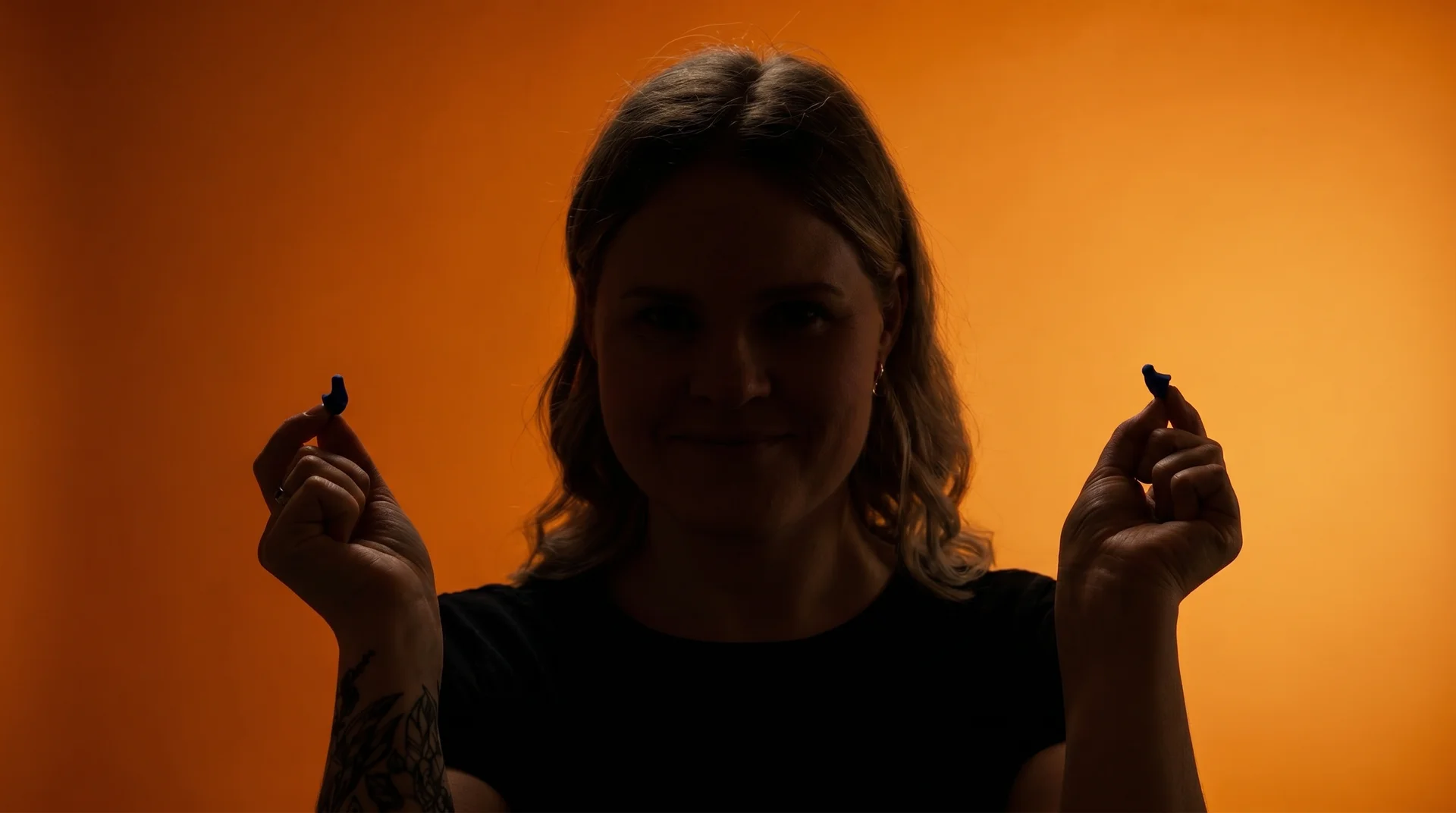
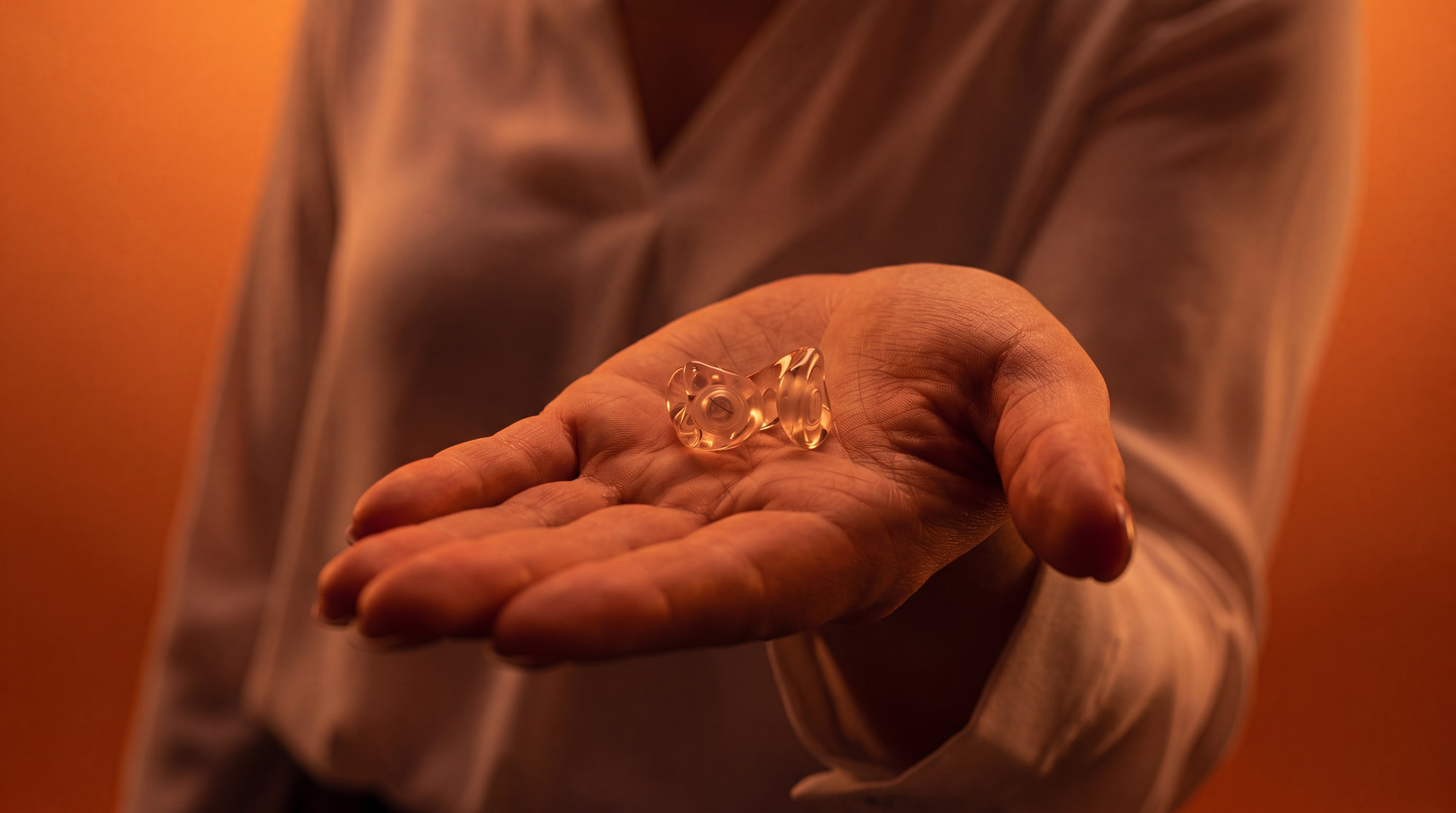
Our custom swim plugs are made from an exact impression of your ear. They seal the ear canal watertight but let sound through: you can still hear the lifeguard, your swimming coach or a conversation at the poolside. They’re made of soft, skin-friendly silicone and are also available in a floating version, so a plug that falls out stays on the surface. For surfing and sailing they can be supplied with a detachable cord. Children can wear them from around the age of four; because their ears keep growing, check the fit regularly. If your child has grommets, do check with the treating doctor which type is the best match.
We take the impressions of your ears and produce the plugs in our own 3D lab in Eindhoven. The production time is 15 working days, and if you need them sooner, express is negotiable. You get a minimum 2-year warranty and a 100% comfort guarantee: if they don’t fit well, we make them fit.
Not sure which type suits your situation, or would you simply like to have your ears looked at first? Book an appointment or get in touch with us for advice with no obligation.
Got a question? We're all ears.
Frequently Asked Questions
Read MoreFAQ
Usually it is water left behind: it softens the skin in your ear canal, which can lead to irritation and eventually to an inflammation. Cold water and wind, chlorine that dries out the skin, or a pressure difference while diving can hurt too. With sensitive ears, grommets or earlier eardrum damage it happens faster.
If you get the water out by tilting your head, moving your jaw and dabbing the outside, the pain often settles by itself. Keep the ear dry afterwards and stay out of the water until the symptoms have gone. Do not go into the ear canal with cotton swabs or your finger: you push the moisture deeper in and damage exactly the layer of skin you need to protect.
Yes, if water is the cause — and it usually is. An earplug that really seals the ear canal keeps water, chlorine and salt out, and that is precisely what causes the irritation. Custom-made plugs seal completely without pressing, while universal plugs often leave a gap open.
Going under or picking something up in shallow water is no problem, but you do not dive deep with swim plugs in. Between the plug and your eardrum sits a sealed layer of air; if the water pressure around it drops, that pulls on your eardrum. Keep about one metre as the limit, and do not jump in from a height with them.
Have the GP look at it first, certainly if it keeps coming back or if your child has grommets. If there is no medical cause, swim plugs are the logical next step: the ears stay dry and your child can simply join in with the lesson. We take impressions from about the age of four; under twelve we discuss it with the parents first.