





How Many Decibels Is Harmful? Safe Sound Levels
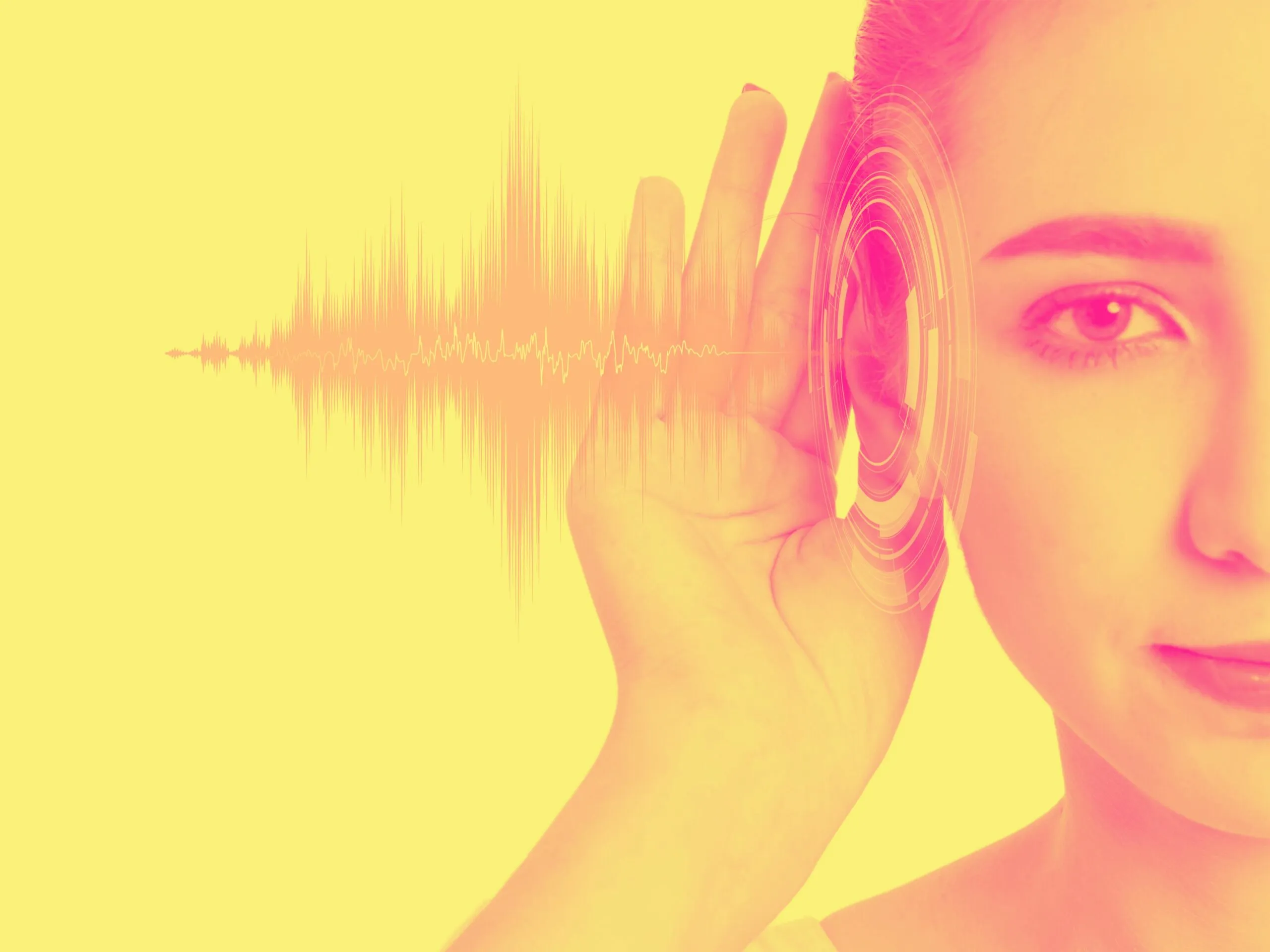
Sounds from 80 decibels can damage your hearing. Learn exactly when sound is too loud, how many decibels is harmful, and what you can do about it.
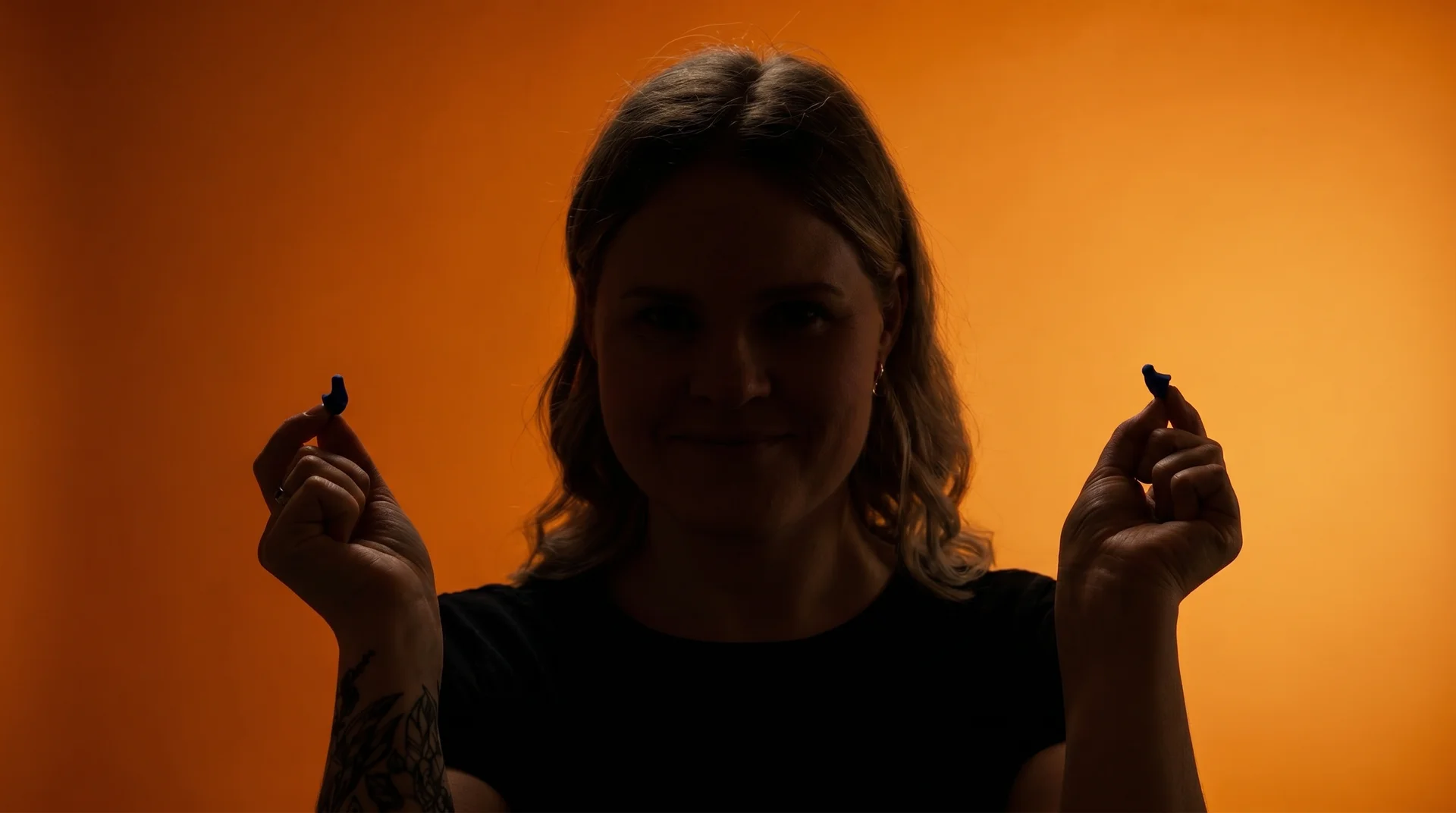
Take the next step for your hearing
Everyone deals with sound around them every day. But when does that sound count as “noise,” and when is it genuinely harmful to your hearing? In this article we look at the occupational and leisure standards for sound, how many decibels are harmful to your ears, and everything you can do yourself to prevent hearing damage in the workplace.
When are sounds harmful?
When you’re exposed to excessively loud sounds for a long time, there’s a chance it will have a negative effect on your hearing. But when exactly does that happen, and how is it calculated?
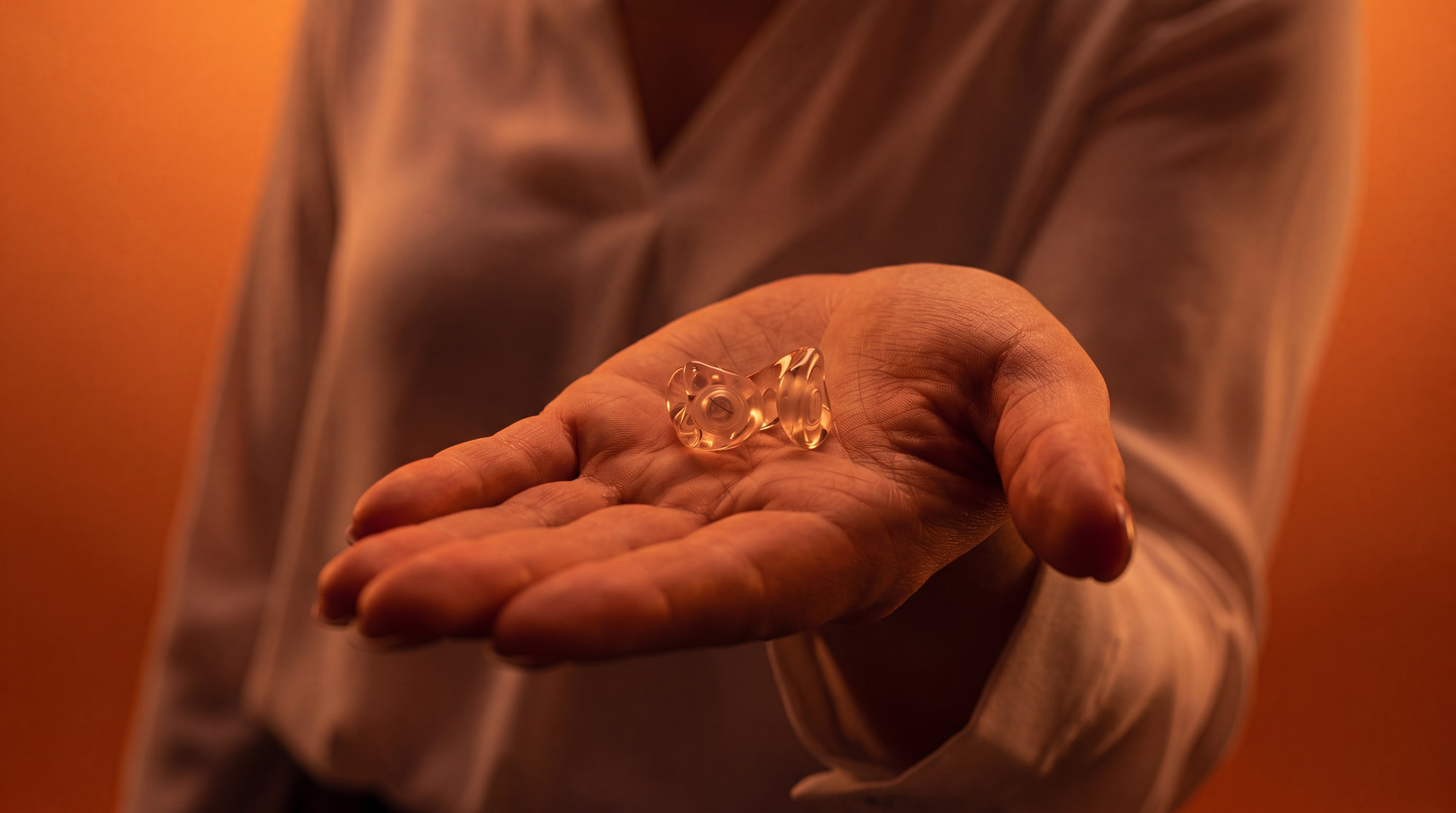
Sound can be harmful to your hearing depending on how long you’re exposed to it and how loud it is. So how many decibels are harmful? Sounds above 80 decibels can already cause hearing damage with prolonged exposure. Once sound rises above 100 decibels, even brief exposure can damage your hearing. This means, for example, that concerts with loud music, heavy machinery, or temporary loud noises quickly carry enormous risks. In such cases it’s always advisable to wear custom earplugs for the best possible hearing protection.
These loud sounds can damage the hair cells in your ears, which leads to hearing damage. As a result, the quality of your hearing can decline, but other hearing conditions can also develop. Think of tinnitus, a hearing disorder in which you experience a ringing tone in your ear. This ringing can be temporary, but in some cases tinnitus is even a chronic condition.
What is the dB(A) scale?
Decibels are calculated using the dB(A) scale. What exactly is this scale, and how does it accurately measure the number of decibels? The dB(A) scale is unique because it measures the loudness of sound the way the human ear experiences it, rather than purely the sound’s physical intensity. Because our hearing is more sensitive to certain frequencies, the dB(A) scale emphasises sounds between 500 and 6000 Hz, where the ear is most sensitive. As a result, people can hear and tolerate lower tones better than higher ones.
Higher tones are often experienced by the human ear as loud and/or painful. This scale is important when assessing how harmful sounds are to your hearing. What makes it unique is that the scale isn’t directly linear. This means a sound of 120 decibels isn’t simply twice as loud as 60 decibels. The scale takes into account both the loudness of the sound and its effect on hearing, with higher-pitched sounds perceived as louder than lower ones. That’s why a shrill alarm can register much higher on this scale than the low, loud sounds of a machine.
Examples of decibel levels
There are therefore several distinct decibel levels. Even something as simple as speaking comes with differences in decibels.
-
A conversation: an ordinary conversation averages around 60 decibels. That’s as loud as the sound of croaking frogs.
-
Whispering: whispering is only about 30 decibels. That’s just 10 decibels louder than the rustling of leaves.
-
A crying child: can produce just as many decibels, namely 80 decibels, as a scooter speeding past.
-
A nightclub: on average, the sound in a nightclub is around 110 decibels. That’s comparable to a jackhammer.
-
Listening to music: listening to music through earphones can be harmful. The decibel level rises sharply here. As for how many decibels makes earphones harmful, it starts as low as 85 decibels.
Anything from 130 decibels and up can actually be experienced as painful to the ear. Think of the sound of an aircraft engine starting up, or a gunshot, which can even exceed 140 decibels. Even a single exposure to these sounds can cause hearing damage.
Legally permitted decibel levels at work
How many decibels are perceived as harmful in practice varies from person to person. The risk of hearing damage from excessively loud sounds increases not only with the number of decibels, but also with how long you’re exposed to the specific sound. Fortunately, there are standards available to determine how many decibels are harmful. For a pleasant and safe working environment, it’s important that these standards are taken into account.
According to the occupational health (Arbo) standard, an employee may be exposed to a maximum of 80 decibels for 8 hours a day. For every three decibels more, the permitted number of hours is halved. With exposure of 85 decibels or more, wearing hearing protection is also mandatory. This reduces the risk of damage from noise pollution in the workplace. There are special workplace earplugs for this, or in the case of construction there is also specific hearing protection for construction.
Especially in construction and hospitality, it’s important that these maximum limits are respected. When the sound in the workplace exceeds 87 decibels, your employer is even required to bring this noise level down.
As an employee, you also have the right to request sound tests for your work location to see whether the permitted number of decibels is being exceeded.
Occupational / leisure standard
Determining a safe sound level therefore depends on the context in which the sound is produced. Alongside the occupational standard (Arbonorm), there is also the leisure standard (Vrijetijdsnorm). The occupational standard applies in the workplace, while the leisure standard applies to your free time.
The occupational standard is stricter and assumes 80 decibels for 8 hours a day. For every three additional decibels, the permitted exposure is halved. So you may have a maximum of 4 hours of exposure per day at 83 decibels. When you’re exposed to 86 decibels in the workplace, you may only be exposed to it for 2 hours. This occupational standard is important for employee safety. Based on this standard, employees can even claim compensation or arrange a change of workplace.
The leisure standard is a little more lenient. This is because it assumes you’re affected by it for fewer hours per day. For example, you don’t go to a concert for 8 hours straight; you’re only exposed to this louder sound in the leisure sector for a few hours. That’s why the leisure standard starts at 88 decibels. Here, too, an increasing formula of exposure and rising decibels applies.
Are you bothered by noise pollution? Here you’ll find more tips against hearing damage and how to prevent sore ears.