







Advice based on our own product information and knowledge base, not medical advice.
Famous People With Tinnitus: Chris Martin and Other Artists
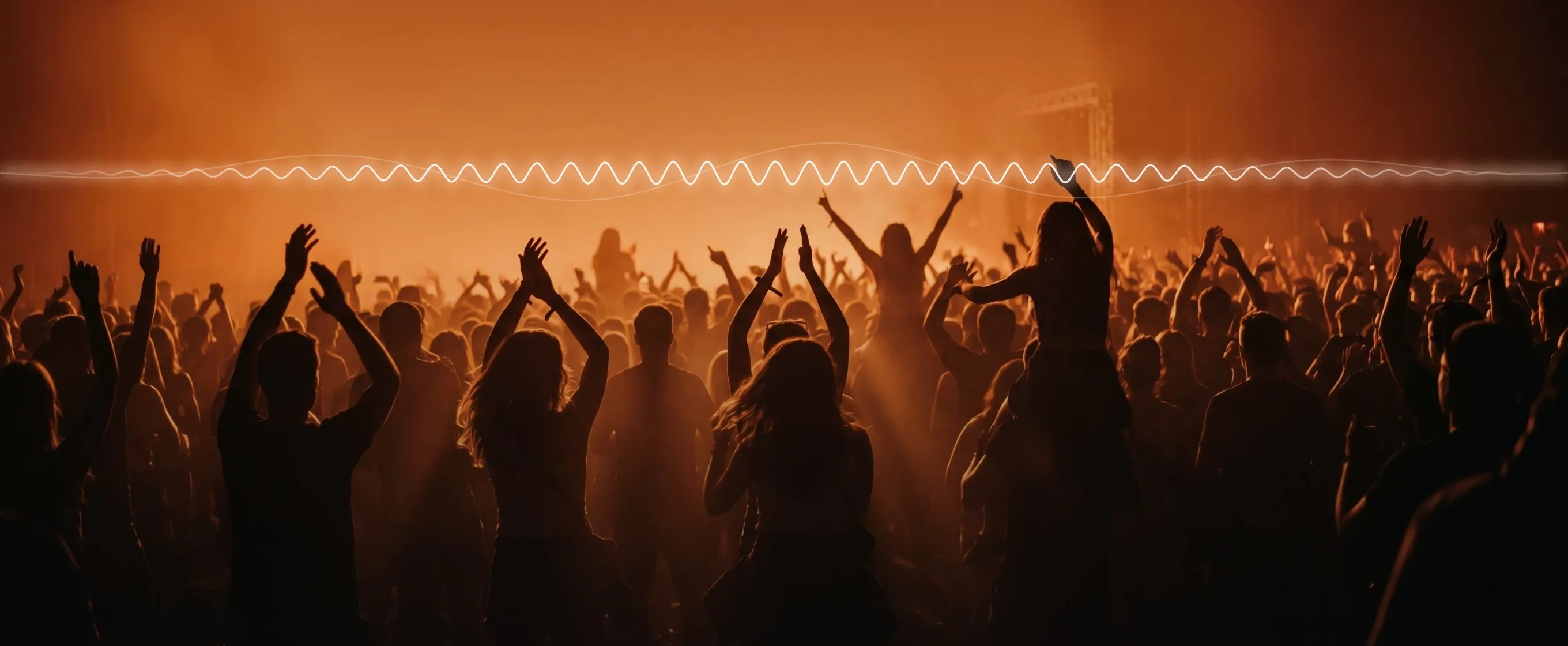
From Coldplay to Metallica: these well-known artists and presenters have said themselves that they have tinnitus. What did they say about it, and what do they do differently now?
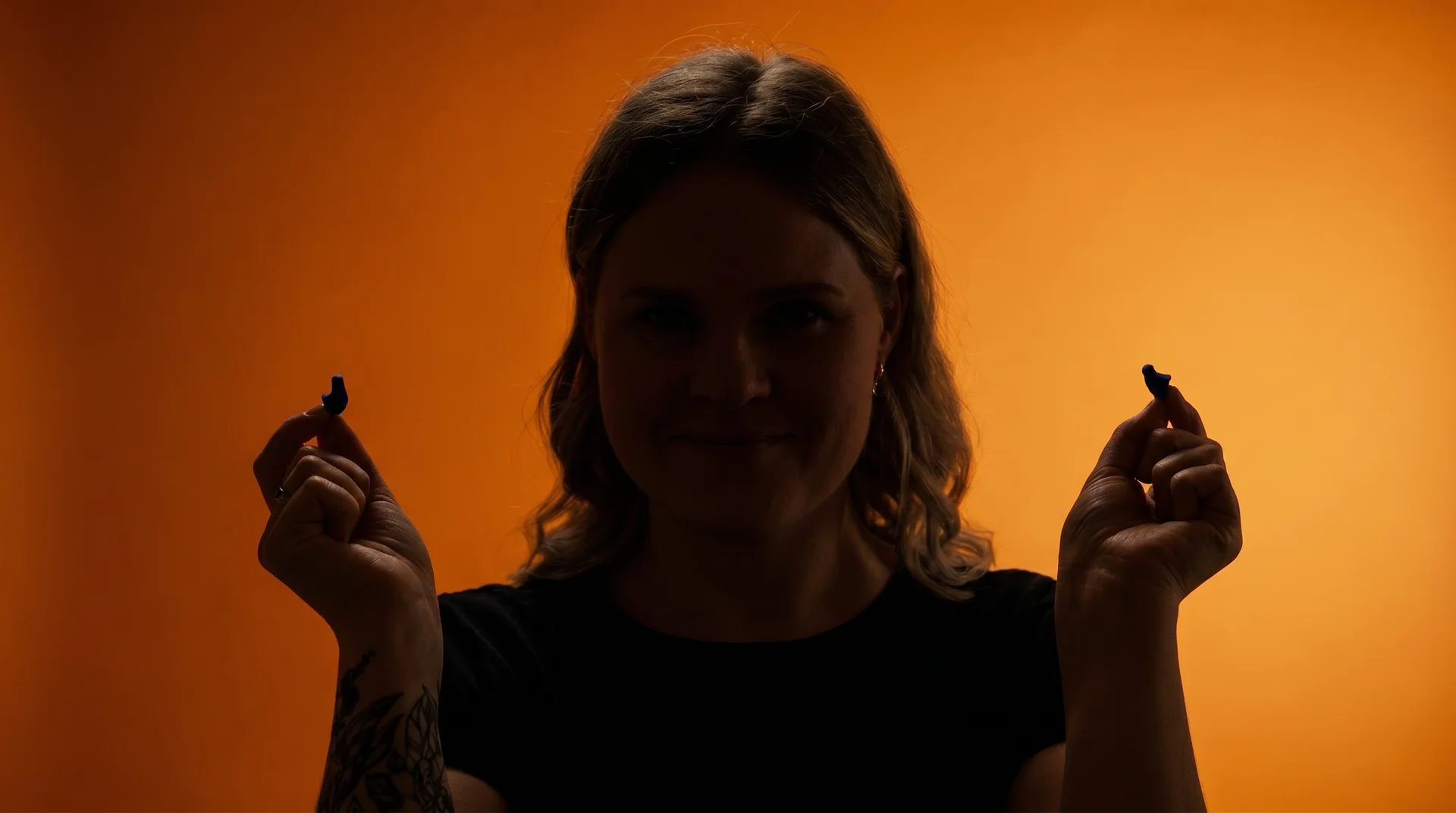
Take the next step for your hearing
You would never guess it when you see them on a big stage, but quite a few well-known musicians never hear complete silence again after the concert. They have tinnitus: ringing, hissing or rushing that is always there. In this article we line up famous people with tinnitus for whom we could find their own statement or reliable reporting. What did they say about it themselves, and what do they do differently now?
In short
- Chris Martin, Lars Ulrich, Pete Townshend and Eric Clapton have spoken openly about their tinnitus.
- Dutch artists Huub van der Lubbe, Wilfred Genee and Jett Rebel, and Belgian singer Stijn Meuris, have it too.
- Almost all of them played for years without protection. Now most of them wear earplugs or in-ears.
- Earplugs do not cure tinnitus, but they help stop it from getting worse.
Tinnitus is not rare, and it is certainly not just something for rock stars. According to Dutch GP guidance (Thuisarts), tinnitus is usually caused by noise, stress or ageing. Your own doctor can advise you on the rules and options in your country. For musicians, the first of these plays a big part: years of spending hours a day in loud sound, on stage, in the rehearsal room and in the studio.
1 in 7
adults worldwide have some form of tinnitus (Jarach et al., 2022).
10%
of people with tinnitus are seriously bothered by it, according to the Dutch hospital Ziekenhuis Amstelland. Most people learn to live with it.
25 years
That is how old Chris Martin was when his tinnitus started (NME, 2012).
International artists with tinnitus
Chris Martin (Coldplay)
Chris Martin is probably the best-known musician to talk openly about his tinnitus. In 2012, together with British rapper Plan B, he backed a campaign by the British hearing charity Action on Hearing Loss that urged young people to wear earplugs. According to NME, his tinnitus started when he was 25.
“Looking after your ears is unfortunately something you don't think about until there's a problem. I've had tinnitus for about 10 years, and since I started protecting my ears it hasn't got any worse. But I wish I'd thought about it earlier.”
That is the heart of this whole article: what is damaged you will not get back, but you can stop it from getting worse.
Lars Ulrich (Metallica)
Metallica drummer Lars Ulrich has been playing extremely loud music for decades, and told CNN in 2009: “I never used to play with any kind of protection.” The ringing started very faintly, but got worse during a tour in 1988. He noticed it mainly at night: he regularly woke up to turn off the TV, which was not on at all.
About the sound itself he said: “It’s this constant ringing in the ears. It never sort of goes away. It never just stops.” Hearing something that is not there sounds strange, but there is an explanation: read why that ringing in your head is actually created in your brain.
Pete Townshend (The Who)
The Who were known as one of the loudest bands of their time, and guitarist Pete Townshend has had problems with his ears for a long time. In 2006 he himself pointed mainly to something other than the stage: in his view, his hearing damage came mostly from years of wearing headphones in the studio. A warning that is just as relevant today, with earbuds that stay in all day.
At the end of 2009 his tinnitus flared up again, and a planned US tour in spring 2010 was cancelled. He told Rolling Stone that if his hearing became a problem, the band would not simply postpone: “We’re not delaying shows. We’re finished.” Things turned out differently: he started using an in-ear monitor system recommended by an audiologist, and The Who kept performing for years afterwards.
Eric Clapton
In January 2018, Eric Clapton told BBC Radio 2 quite matter-of-factly how he was doing: “The only thing I am concerned with now is I am going deaf. I’ve got tinnitus, my hands just about work.” He did not stop; he has kept performing since. His story shows that tinnitus and hearing loss often occur together, especially after a lifetime of loud sound.
Brian Johnson (AC/DC)
With Brian Johnson the story is slightly different, and it is worth being precise about it. After an incident on the race track, where he sat in a racing car without hearing protection, he had tinnitus for more than six months. That went away again. His big problem after that was hearing loss: in 2016 doctors warned that he could go completely deaf if he kept touring, after which he had to leave AC/DC’s ongoing tour.
In 2014 he said himself: “I didn’t get it from music. I got it from sitting in a race car too long without ear plugs.” In 2020 he returned to the band, helped by a specially developed hearing device. Loud sound does not always have to come from an amplifier.
Interactive tinnitus testDo you hear something after a concert too?Take the tinnitus test: listen to real ringing, hissing and humming sounds and find out which one is most like what you hear. Start the testFamous Dutch and Belgian people with tinnitus
Audinc comes from the Netherlands, and closer to home there are well-known names with tinnitus too. Their quotes below are translated from Dutch.
Huub van der Lubbe (De Dijk)
When the Dutch band De Dijk said goodbye in December 2022 after more than forty years, singer Huub van der Lubbe named his hearing as one of the reasons. He has had tinnitus for years. He protects his ears during performances, but did not like the idea of carrying on.
“I often lie in bed at night thinking: oh, I think it has got worse again. That is a torment I no longer want.”
Wilfred Genee
It is not only musicians who get tinnitus. In December 2022, Dutch TV presenter Wilfred Genee said on De Oranjewinter that for him it started with a single bang: he had to open a charity match with a starting pistol, and nobody had told him not to hold it right next to his ear. “Then I got a huge ringing.” After a second loud bang, during a promo recording, the symptoms got worse again.
A few days later, on Vandaag Inside, he described what that feels like: “You have to imagine hearing a very high whistling tone without a break.” When he is tired or busy, the ringing increases. His advice to young people is clear: “For young people, especially with that music and really loud stuff, put earplugs in!”
Jett Rebel
In 2016, Dutch musician Jett Rebel said on the RTL 4 programme Van der Vorst ziet sterren that his intense involvement with music had left him with hearing damage and tinnitus. It cost him sleepless nights. Even then he said he had found more peace with it: when there is enough sound around him he hardly hears it, and he has learned not to focus on it. To prevent further damage, he always wears hearing protection when he plays.
Stijn Meuris (Noordkaap)
In Belgium, too, tinnitus is familiar among musicians. Stijn Meuris, frontman of the Flemish band Noordkaap, was left with tinnitus from those years, the Belgian Zout Magazine wrote in 2022. In a video interview he talks about his tinnitus and hearing damage, and about the downside of a lifetime of making music. He did not stop: in 2022 he was back on stage, with a Noordkaap reunion and a theatre tour.
What we can learn from them
Put all those stories side by side and you see the same pattern. Almost nobody thought about protecting their ears until it was too late, and almost everyone does it now.
Then
Years of playing, rehearsing and recording without protection. Ringing after a night was brushed aside, until it stayed.
Now
Earplugs or in-ear monitors at every performance. Not to get rid of the tinnitus, but to stop it from getting worse.
What you can take from this yourself, even if you are not a rock star:
- Take ringing after a concert or night out seriously: it is a warning that your ears have had too much sound.
- Wear hearing protection in the rehearsal room, on stage, at festivals and in the club, not only once it is already ringing.
- Turn your headphones and earbuds down. Pete Townshend pointed to studio headphones as the culprit.
- Watch out for short, loud bangs. For Wilfred Genee and Brian Johnson, it was not about music.
How loud is too loud? That depends on the volume and on how long you are exposed to it. With our calculator you can see how long you can safely stay in loud sound. You will find more practical tips in our article on how to prevent tinnitus, and for a night out in hearing protection in the nightlife.
Note
Earplugs are meant for loud sound, not for all day. In silence, tinnitus actually stands out more; a soft background sound often helps more. Do you suddenly get ringing in one ear, together with worse hearing? Call your GP straight away (out of hours: the out-of-hours doctor service, or 112 in an emergency). If it bothers you a lot or is in one ear only, an appointment with your GP is also a good idea.
Want to hear what tinnitus sounds like for others, or find the sound that matches yours? On our tinnitus page you can listen to what tinnitus sounds like, from a high-pitched ringing to a low hum.
Keep making music, with protection
Almost all the artists above kept playing. The difference is in what they wear in their ears. Earplugs with a music filter reduce the sound evenly, so you still hear the band, the room and your own instrument clearly, just less loudly. For musicians, take a look at the Custom Music, for example, or the Custom Pure Tones with a flat filter. If you mainly go to concerts and festivals, festival earplugs are a good choice. Earplugs are not a treatment for tinnitus, but they do protect you against new damage. Read also why musicians wear custom earplugs.
Want to know which protection suits your instrument or the way you go out? Take a look at our music earplugs or book a free fitting to have your earplugs made. Then you will not have to say later what Chris Martin said: that you wish you had thought about it earlier.
Sources
- NME (2012): Coldplay’s Chris Martin and Plan B admit they suffer from tinnitus
- CNN (2009), via University at Buffalo: Metallica drummer struggles with ringing in ears
- Macworld (2006): Rocker Townshend cautions iPod users on hearing loss
- Rolling Stone (2010): The Who’s Future Uncertain as Townshend’s Tinnitus Returns
- Consequence (2010): Medical reasons may force The Who to retire
- ET Online (2018): Eric Clapton Reveals He’s Losing His Hearing
- Blabbermouth (2020): Brian Johnson explains how he overcame his hearing issues and returned to AC/DC
- NOS (2022): De Dijk speelt laatste concert in uitverkocht Paradiso (in Dutch)
- LINDA. (2022): Wilfred Genee heeft last van tinnitus (in Dutch)
- Vandaag Inside (2022): Wilfred doet opnieuw oproep aan jongeren (in Dutch)
- Hoorzaken (2016): Jett Rebel last van tinnitus en gehoorschade (in Dutch)
- Zout Magazine (2022): De zeven levens van Stijn Meuris (in Dutch)
- Interview with Stijn Meuris about tinnitus (YouTube, in Dutch)
- Jarach et al. (2022): Global prevalence and incidence of tinnitus: a systematic review and meta-analysis, JAMA Neurology
- Thuisarts (Dutch GP guidance): Ik heb last van oorsuizen (in Dutch)
- Ziekenhuis Amstelland (2026): Oorsuizen, tinnitus (patient leaflet) (in Dutch)
Got a question? We're all ears.
Frequently Asked Questions
Read MoreFAQ
Chris Martin (Coldplay), Lars Ulrich (Metallica), Pete Townshend (The Who) and Eric Clapton, among others, have said themselves that they have tinnitus. Closer to our home base in the Netherlands and Belgium, the list includes Huub van der Lubbe (De Dijk), TV presenter Wilfred Genee, Jett Rebel and Belgian singer Stijn Meuris (Noordkaap). Brian Johnson (AC/DC) had tinnitus for months after an incident on the race track; for him, the main issue since then has been hearing loss.
Yes. In 2012 the Coldplay singer told NME that he had had tinnitus for about ten years, since he was around 25. He said that since he started protecting his ears, it has not got any worse. He also said he wished he had thought about it earlier.
Yes. In December 2022, Dutch TV presenter Wilfred Genee said on De Oranjewinter that he got tinnitus after he had to open a charity match with a starting pistol close to his ear. He describes it as a high-pitched whistling tone that is always there, and he urges young people to wear earplugs when the music is loud.
Musicians spend years, often hours a day, in loud sound: on stage, in the rehearsal room and in the studio with headphones on. Loud sound can damage the hair cells in your inner ear, and tinnitus often goes hand in hand with that hearing damage. The louder and the longer, the greater the risk.
Yes. Most of the artists in this article kept playing, but with hearing protection or in-ear monitors. Music earplugs with a filter reduce the sound evenly, so you still hear the music clearly and stop it from getting worse. If you are worried about your symptoms, see your GP first. Want to know more about protection? Take a look at our music earplugs.
Related blog articles
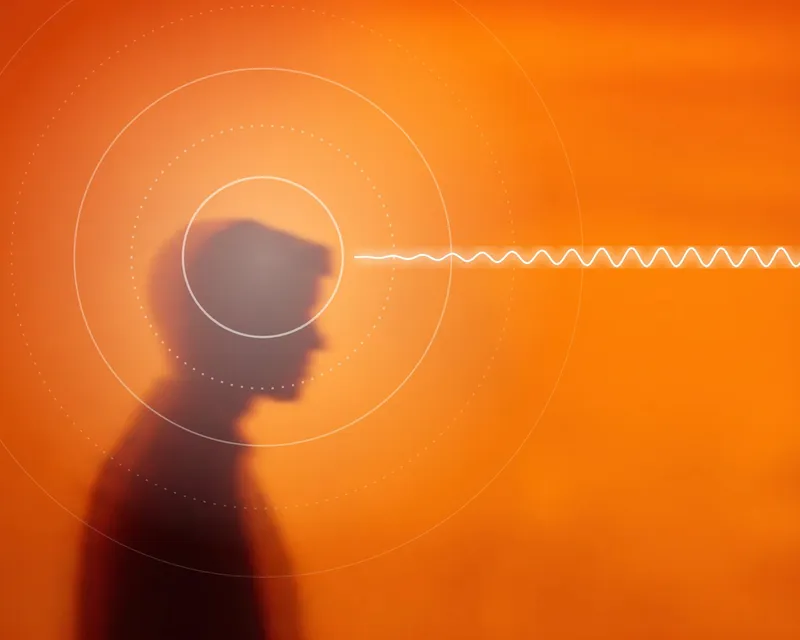
Ringing or Hissing in Your Head? How Your Brain Creates Tinnitus
How to Prevent Tinnitus: Protect Your Ears (and Which Earplugs Work)

Hearing protection for musicians: why do artists wear earpieces?