





Tinnitus & Ringing in the Ears

Besides hearing loss, tinnitus (ringing in the ears) can cause a great deal of distress. In this blog you'll learn exactly what this condition is.
Take the next step for your hearing
Tinnitus and ringing in the ears
Finding a big seashell on the beach as a child was a double delight. Not only did you have a beautiful specimen for your collection, you could also hear the rushing of the sea inside it. Whenever you wanted, you could imagine yourself back on the beach. Sadly, many adults experience a rushing sound in their ears every day, without holding even the tiniest shell. They have ‘tinnitus’.
While as children we had to summon the sound of the sea by holding the shell close to our ear, tinnitus sufferers don’t have to do anything special to hear sounds that aren’t there. They hear so-called ‘phantom sounds’. The rushing, buzzing, ringing, humming or whistling is present either constantly or intermittently. The sounds can occur only sporadically, but they can also be all-consuming. Just imagine hearing a piercing hum for hours on end, every single day. Wouldn’t it drive you crazy?
Not much is yet known about the exact cause of tinnitus. What is clear, however, is that many patients with ringing in the ears have been exposed to too much noise, for example at music events or at work. People who operate machinery or deal with impulse noise (short, loud sounds such as explosions) are at the greatest risk. But teachers who give physical education or technical classes are at risk too.
In addition, tinnitus can develop in people who have abnormalities of the inner ear, the auditory nerves, the jaw or the blood vessels in the head. High blood pressure, an accident or stress can also cause tinnitus. Ringing in the ears often goes hand in hand with hearing damage. An estimated 1 million people in the Netherlands suffer from ringing in the ears/tinnitus.
Unfortunately, there is currently no treatment or medication for ringing in the ears. For certain causes, treatment can reduce the condition. But by far the majority of people will have to learn to get used to a life that is never ‘quiet’ again. The irritating sound they hear will probably never go away.
And that’s a distressing conclusion when you consider the consequences this can have in daily life: sleep disorders, concentration problems, anxiety, depression and irritability. You can imagine that many people with tinnitus are desperate.
This means it is extremely important to prevent tinnitus wherever possible. And although we obviously have little influence over abnormalities inside the body or being involved in an accident, when it comes to hearing damage we really can do something! Your hearing is irreplaceable, which is why you should take good care of it from a young age. Research shows that 70% of young people who attend house parties aren’t worried about the ‘ringing’ in their ears afterwards. Yet being exposed to loud sounds, whether briefly or for a longer period, can result in permanent hearing damage and therefore tinnitus!
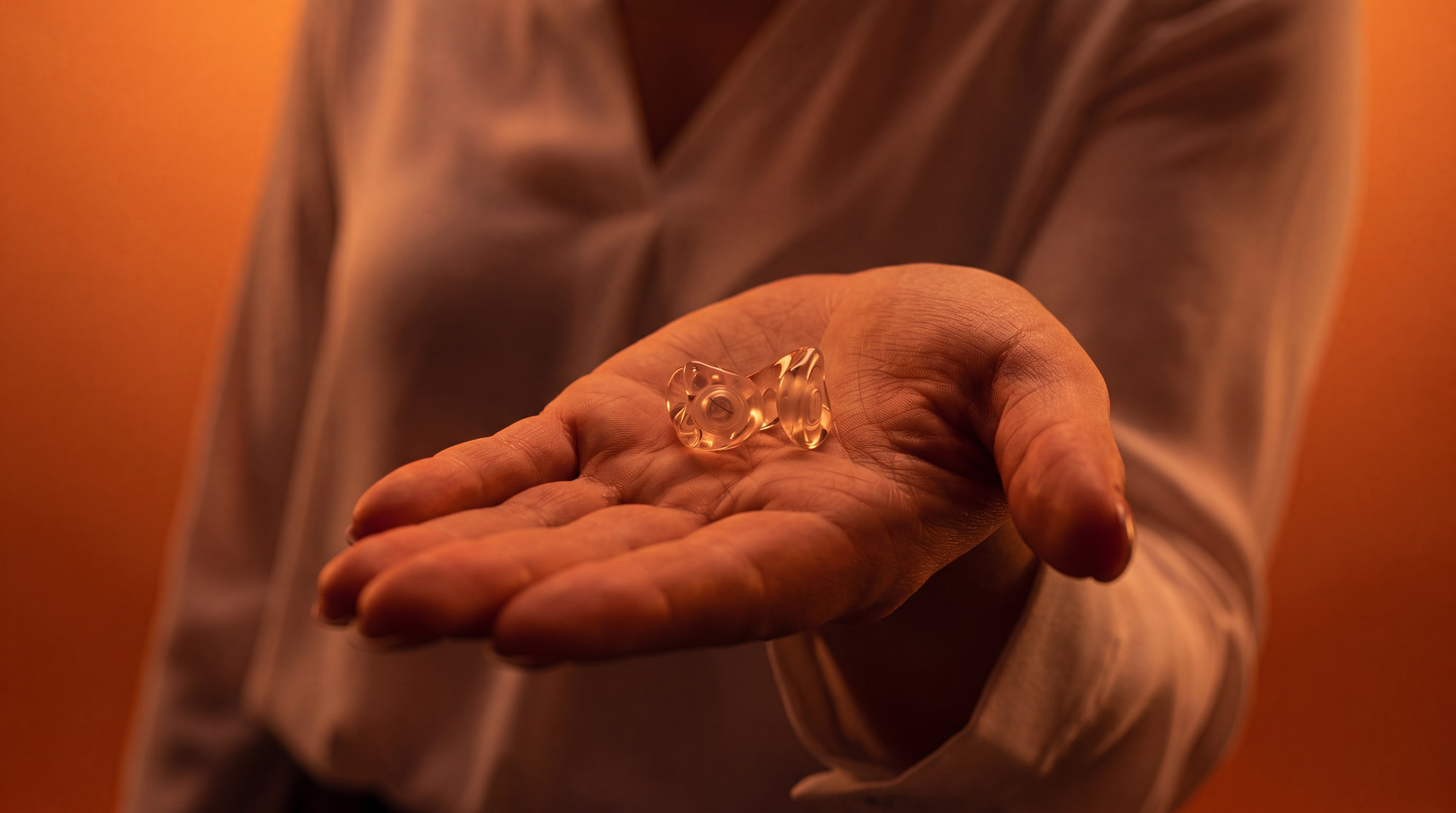
Wearing custom earplugs is a conscious choice made by everyone who cares about their hearing. These days there is special hearing protection on the market that filters out harmful sounds while still letting the music through. That way you experience the noisy event in the same way, but in a healthy way. For now and for later. And so, even as a grandparent, you’ll still be able to hear the sea rushing inside a seashell…