





Advice based on our own product information and knowledge base, not medical advice.
Hearing Protection for Teachers and PE Teachers
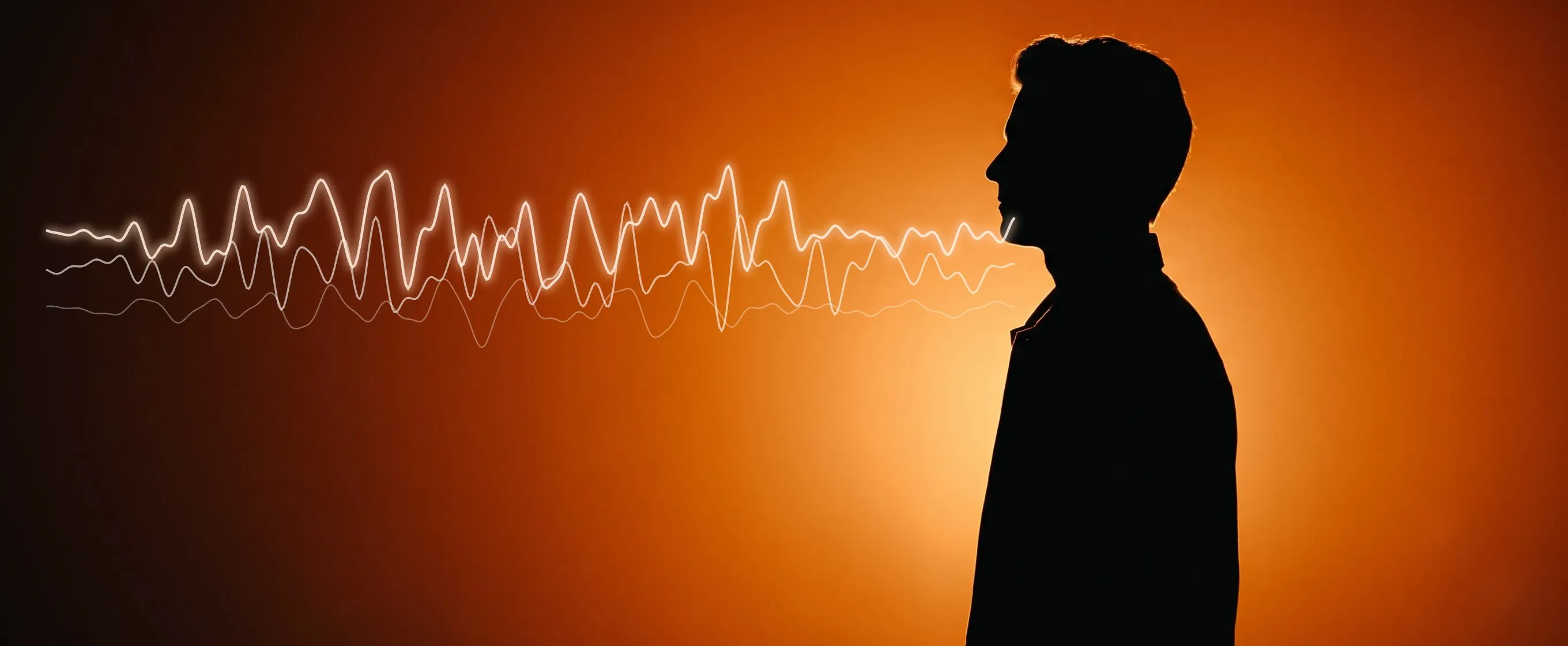
Classroom noise, an echoing sports hall or a technology workshop: teachers are at risk of hearing damage too. Find out how loud each situation is, what the school must do and which earplugs work.
Take the next step for your hearing
When you think of hearing damage at work, you probably picture construction or a nightclub. Yet many teachers are at risk too. A full classroom, an echoing sports hall or a technology workshop with grinders: the noise often gets louder than you’d expect. And because you use your voice all day to rise above it, you feel it by the end of the day.
In this article you’ll find out how loud each situation is, what the school must do as an employer and which hearing protection works if you still want to understand your pupils.
On-site fittings · from 3 people we come to your school, with advice per role and volume pricing for groups.
Request a quoteIn the classroom
In an ordinary classroom, the noise is around 75 dB, with peaks at busy moments, during group work or at the start and end of the lesson. That’s usually below the level at which hearing damage occurs, but it is tiring. Your voice works hard all day and many teachers have a headache or feel exhausted at the end of the day.
In the play room and in childcare it can be even louder. In a Swedish study of 101 staff at preschools, average exposure was around 71 dB(A), with sharp peaks as the number of children in the group went up. Read more in our article on hearing protection in childcare.
In the sports hall
PE teachers are at the greatest risk. A noisy sports hall easily reaches 85 dB, and levels of well over 90 dB have been measured for sports instructors. Squeaking trainers, bouncing balls, the whistle and a whole group of shouting children add up to a lot of noise. Because sports halls are large and high and finished with hard materials, the sound echoes for a long time.
If you teach several lessons a day, you end up above 80 dB(A) over a working day. So it’s no surprise that many PE teachers already wear custom earplugs.
In the technology or practical workshop
Technology and vocational teachers also face loud noise every day. Metalworking, such as hammering and grinding, easily goes above 100 dB. An angle grinder reaches 95 to 105 dB(A). At those levels you take in your whole daily dose within a quarter of an hour.
For comparison: there is no EU standard for sound levels at venues and events, so each country sets its own. In the Netherlands, for example, the music industry has agreed to a maximum of 103 dB(A) averaged over 15 minutes. Other countries set their own limits, and many have none. So a practical workshop can be as loud as a club.
During swimming lessons
In a swimming pool, sound bounces off tiles, glass and water. Swimming instructors therefore often work in 80 to 100 dB. If you spend a whole day on the poolside teaching swimming or supervising school groups, hearing protection is no luxury.
Please note
Prolonged noise can lead to permanent hearing loss and tinnitus. If you notice a ringing, a muffled feeling or difficulty following conversations during the break after a day of teaching, take it seriously. If you suddenly hear much worse, call your GP straight away (out of hours: the out-of-hours doctor service, or 112 in an emergency).
Calculator · noise dose
How long is this sound safe for your ears?
Pick a situation or set the sound level and duration yourself.
100% is your full daily dose and 3× means three times as much. Above 100%, you risk permanent hearing damage.
Daily exposure: 84 dB(A)
From 80 dB(A): your employer must make hearing protection available and give information and training.
Even with an SNR 19 filter, the level in your ear stays above the 87 dB(A) exposure limit: choose stronger attenuation.
Have the noise measuredEstimate based on 80 dB(A) for 8 hours, where every 3 dB more halves the safe time. These are the EU minimum rules; national rules can be stricter. SNR is a lab value: how much you really block depends on how well your earplug seals. No substitute for a measurement.
What must the school do as an employer?
The rules on noise at work apply to schools too. In its risk assessment, the school must identify where noise is a risk, such as in the sports hall, the technology workshop or the swimming pool. If the noise can go above 80 dB(A), it must be assessed and measured where necessary.
- From 80 dB(A) the school makes hearing protection available and provides information on the risks.
- From 85 dB(A) wearing it is mandatory and the school draws up a plan to reduce the noise.
- 87 dB(A) is the limit value in the ear, with the hearing protection in.
These are the EU minimum rules (Directive 2003/10/EC). Every EU country has written them into its own law, and some countries are stricter, so check your national rules.
The school can also tackle the noise at the source, for example with sound-absorbing panels in the sports hall or enclosed machines in the technology workshop. That takes time and money, and it doesn’t make the noise of a group of children disappear. Hearing protection therefore often remains necessary.
Want to know how loud it is at your school? With a sound measurement we map the noise per room. Read more about the rules in when is hearing protection mandatory, and in our overview of jobs with a high risk of hearing damage you can see how education compares with other sectors.
Which earplugs work for teachers?
As a teacher, you want to keep hearing your pupils. An earplug that shuts everything out is not a good idea. You need a light filter that takes off the sharp peaks while keeping voices clear.
Classroom and sports hall
The Pure Tones Work attenuates low, mid and high tones almost equally. Voices sound natural, just quieter. With the medium filter (SNR 16 dB) you take the sharpness off whistles and shouting and can still follow the group well.
Technology workshop
Grinding, sawing and hammering call for more attenuation. The Custom Work attenuates with an SNR of 17 to 31 dB depending on filter and material, and up to 34 dB with the Click filter. So you click it shut when the machines start up.
Because the earplugs are made from an impression of your ear, they seal reliably and stay comfortable even after a full day of teaching. If a whole department or school uses them, we come to take impressions on site from 3 people; contact us for on-site fittings in your country. We advise which filter suits each room or role, and for groups we work with volume pricing.
And the pupils?
It’s not only teachers who are bothered by noise in the classroom. Many pupils quickly become overstimulated by sound, for example children with autism or ADHD. An earplug that turns the background chatter down a little can help them concentrate during independent work or a test.
Do use earplugs like these specifically, at the busy moments, and not all day. Anyone who keeps blocking out everyday sound can actually become more sensitive to it. Read more in earplugs that reduce sensory overload with autism and on our page about earplugs for sensory overload.
Want to know how to protect your hearing in your free time? Read our tips to prevent hearing damage.
For schoolsHearing protection for your teamFrom 3 people, we take impressions at your school. Request a no-obligation quote. Request a quote
Got a question? We're all ears.
Frequently Asked Questions
Read MoreFAQ
Yes, if the noise over the working day goes above 80 dB(A). The school, as the employer, must then make hearing protection available. From 85 dB(A) wearing it is mandatory. These are the EU minimum rules, and some countries are stricter. In an echoing sports hall with a full class, the noise can reach those levels.
Yes, if you choose a light filter. A filter with fairly flat attenuation takes the sharp peaks off whistles and shouting, while voices stay easy to understand. Too much attenuation actually makes teaching harder.
If the noise goes above 80 dB(A), the school as the employer must provide hearing protection free of charge. The employer decides which type. Ask whether the school has had a sound measurement done.
That is up to the school. For pupils who quickly become overstimulated, earplugs can help them concentrate, for example during independent work or a test. Use them specifically at busy moments and not all day, because anyone who keeps blocking out everyday sound can become more sensitive to it.