





Hearing Damage: Causes, Symptoms and Prevention
Hearing damage is more common than you might think, even among young people. Read more here about the causes, symptoms and how to prevent hearing damage.
Take the next step for your hearing
Hearing Damage | Hearing Loss
Damage to your hearing can have a number of different causes. It can develop through exposure to noise, illness or certain medications. Once hearing damage occurs, it cannot be cured, which is why it is also referred to as permanent hearing damage. Research carried out in 2010 showed that 42% of all reported occupational diseases concerned hearing complaints. The most important signs of hearing problems are described below: custom-made earplugs can help prevent them.
Ringing in the Ears
Ringing in the ears is known by the technical term tinnitus. It can appear in a mild form, where it is only noticeable in a quiet room, or it can take on a constant form.
Inconsistent Perception of Sound Across Frequency Ranges
Inconsistent perception of sound across frequency ranges means that you experience sound in a particular frequency range as too loud, while sound in other ranges is not. Frequency (expressed in Hertz) is the number of vibrations a sound source produces per second. Under normal conditions, a person can perceive sounds between 20 and 20,000 Hertz. With hearing damage, every frequency is affected differently, which is why sounds in different frequency ranges are experienced differently.
Difficulty with Intonation
Difficulty with intonation means that frequency analysis is disrupted. Certain hair cells in the ear can no longer transmit signals. This can occur in both ears to varying degrees, which effectively causes the reception of sound to lose its stereo quality. As a result, it becomes harder to determine where a sound is coming from.
Sound-Producing Equipment Needs to Be Turned Up Louder and Louder
When equipment that produces sound has to be turned up louder and louder, it means that the hair cells in the ear need more and more stimulation in order to pass a signal on to the brain. The ear becomes less sensitive as it adapts to the high sound level.
In short, too much noise for too long can damage the tiny hair cells in the cochlea. These hairs are minuscule and move in response to sound waves. When sound is perceived as too loud or for too long, the hairs become overloaded and can break permanently.
Preventing Hearing Damage
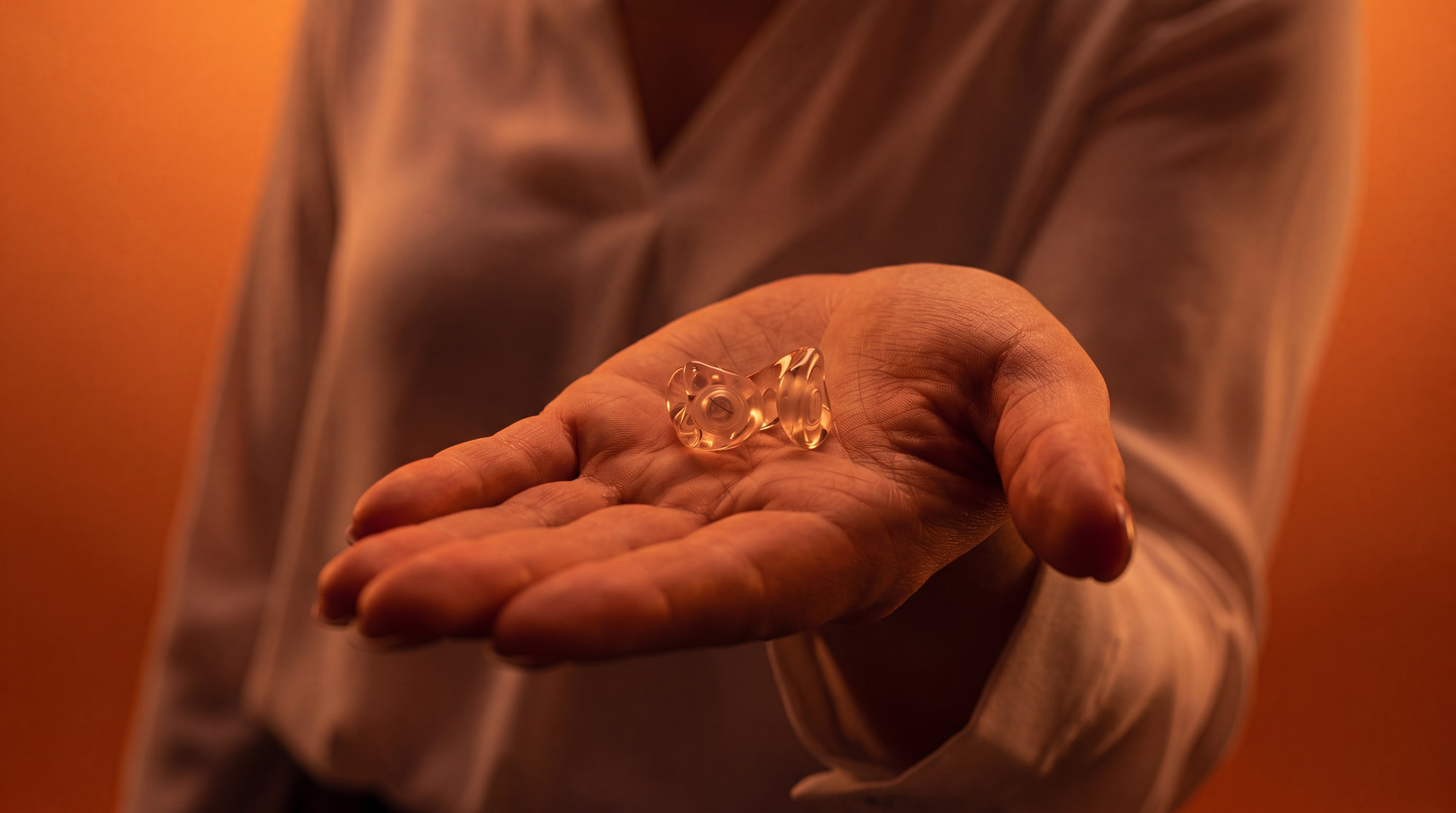
The best way to prevent hearing damage is to avoid loud sounds. That is not possible for everyone, however. This is why wearing earplugs is a good alternative. When it comes to preventing hearing damage, custom-made earplugs are the best choice.
Click here for more information about hearing protection for businesses
Click here for more information about hearing protection for individuals