






Advice based on our own product information and knowledge base, not medical advice.
Earplug Stuck or Too Deep in Your Ear: How to Get It Out
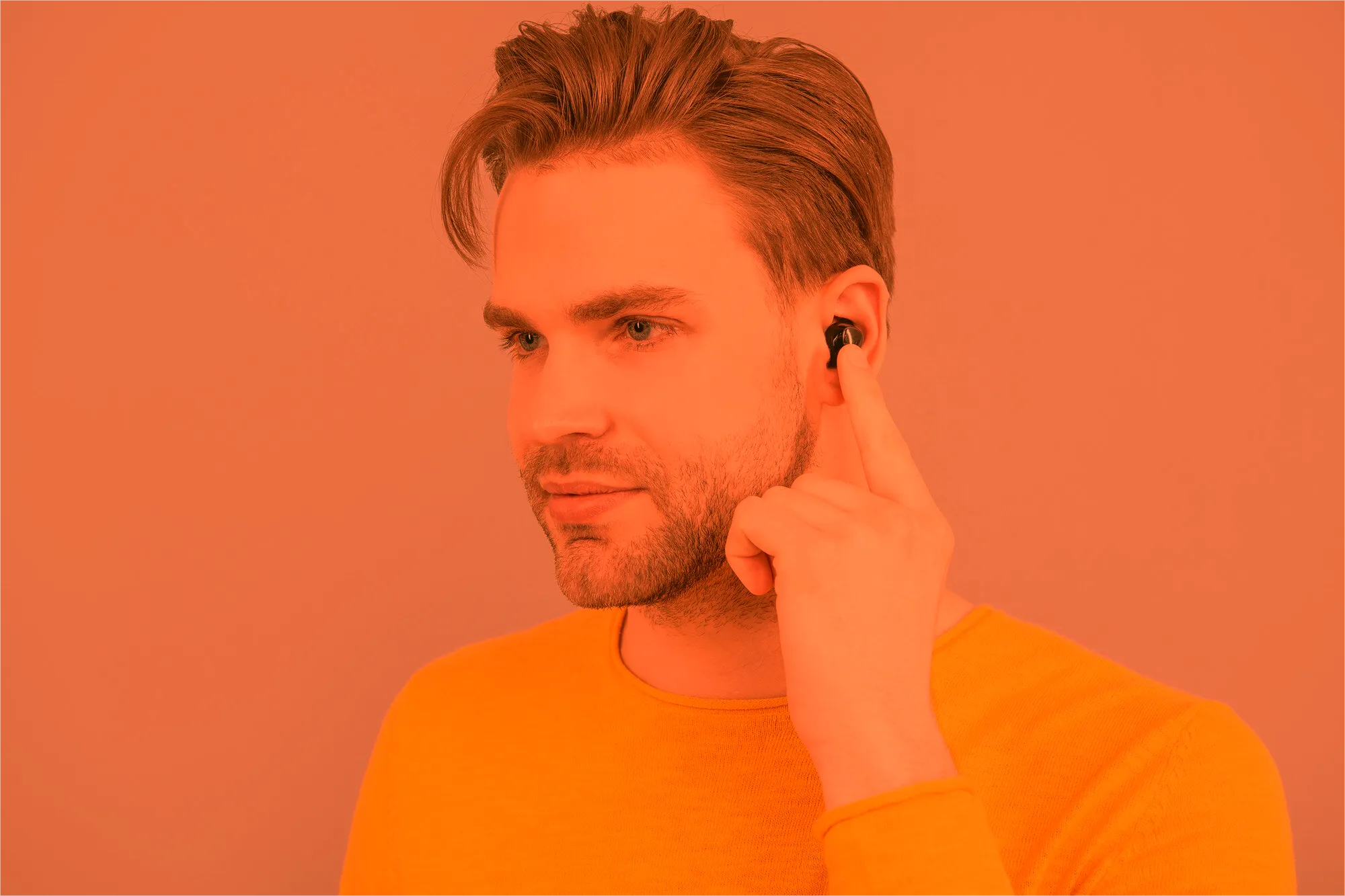
Is your earplug or the tip of your earbuds stuck or too deep in your ear? Learn step by step how to get it out, when to see your GP and how to prevent it.
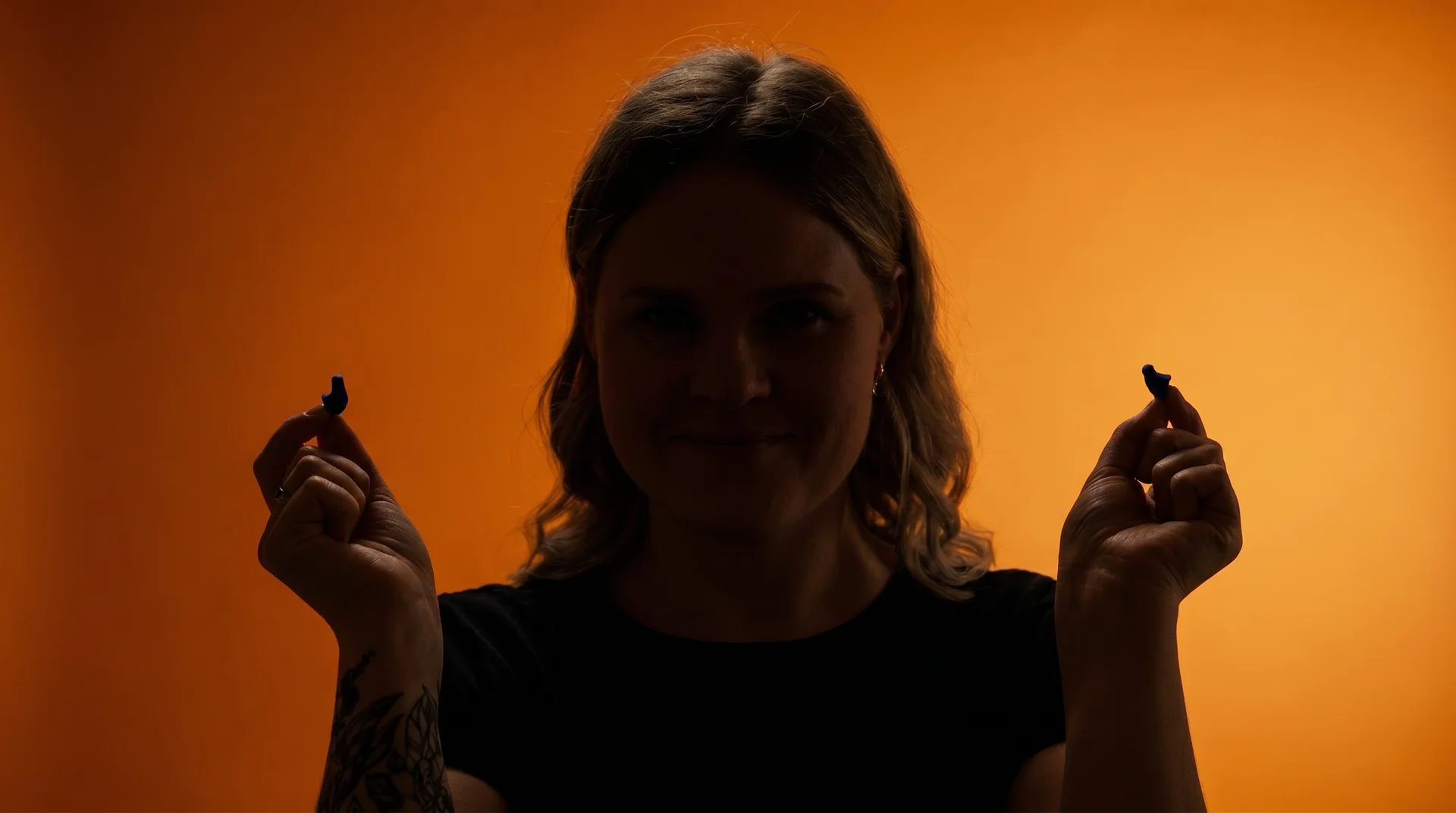
Take the next step for your hearing
Is your earplug or the tip of your earbuds stuck in your ear? Stay calm and do not poke around: usually you can get it out with your fingers and a few jaw movements. If you can no longer see the end, or you are in pain, have it removed by your GP. Below you can read step by step what to do, when it is urgent, which earplugs can go too deep and how to prevent it.
In short
- Can you see the end? Pull it out slowly while twisting, with your outer ear pulled slightly up and back.
- No tweezers, cotton buds or hairpins: they push it deeper.
- If it does not work, your GP will take it out. With pain, blood or sudden hearing loss, call straight away.
- Wax earplugs and loose earbud tips are the most likely to stay behind. Custom earplugs cannot go too deep.
Earplug stuck in your ear? How to get it out
- 1Stop pushing. Every attempt with a finger or an object often moves the plug further in. Take a breath first.
- 2See where it is. Ask someone to look into your ear with a torch, or use two mirrors. If the end is still sticking out, you can usually grab it yourself.
- 3Straighten your ear canal. Tilt your head with the ear facing down, gently pull your outer ear slightly up and back and move your jaw as if you are chewing or yawning. This often moves a plug a little way out.
- 4Pull slowly while twisting. Hold the end between your thumb and index finger and twist it out gently. That releases the vacuum. Do not yank.
- 5Not working? Leave it to your GP. If you can no longer see the end, or a piece stays behind, do not go searching with tweezers, a cotton bud or a hairpin, and do not rinse your ear yourself. Your GP removes it under direct vision with special instruments; sometimes an ENT doctor (ear, nose and throat doctor) is needed.
When to see your GP or the out-of-hours doctor service
A plug in your ear without symptoms is annoying, but not an emergency. Call your GP on the next working day if you cannot get it out yourself, if a piece has stayed behind, or if it is still there a day later. An object that stays in your ear canal for days can cause irritation or an infection.
Please note
Call your GP straight away (out of hours: the out-of-hours doctor service, or 112 in an emergency) if you have severe pain, if blood or fluid comes from your ear, if you suddenly hear much worse or if you become dizzy. The ear canal or eardrum may be damaged.
Can an earplug go too deep into your ear? By type
It does not happen often that an earplug goes too deep. Your ear canal is about 2.5 centimetres long and has a bend, and most earplugs are designed to seal only the outer part. Still, it differs by type.
Wax earplugs
The biggest chance of problems. Wax is mouldable, so it is easy to push it further than intended, and bits can stay behind. Wax earplugs are meant to cover the entrance of your ear, not to sit in the ear canal.
Foam earplugs
Can go too deep if you roll them very thin and push them far in. The vacuum then holds them in place, but they usually come out again if you twist them slowly. The end should always stick out of your ear a little.
Universal silicone earplugs
The flange and the stem stop them. The main risk is that a tip or flange breaks off or comes loose and stays behind. How soon that happens depends on the quality. Stop using them once they are limp or damaged.
Custom earplugs
Almost impossible to push too deep. They follow the exact shape of your ear canal and stop by themselves where they should. Only a broken-off piece can stay behind, so do not use a broken or torn earplug.
How to put custom earplugs in and take them out properly is shown in our guide to placing earplugs in your ears. Not sure whether to choose universal plugs or custom-made ones? You can read the difference in universal earplugs or custom earplugs.
How to insert a foam earplug properly
- Roll the plug thin with clean fingers, without creasing it.
- With your other hand, pull your outer ear slightly up and back so your ear canal straightens.
- Slide the plug in until most of it is in your ear canal, but leave the end sticking out.
- Hold it in place for 20 to 30 seconds while it expands.
- Later, take it out slowly while twisting. Only use foam earplugs a few times; after that they lose their springiness.
Earbud or AirPods tip stuck in your ear
It happens more often than you might think: you take your earbud out of your ear and the silicone tip stays behind. This mainly happens when the tip does not click firmly onto the earbud, when it is too small or when it has become old and limp.
If you follow the steps above, you can usually get such a tip out yourself: it is soft and the end is often easy to see. If it does not work, see your GP instead of poking around.
You prevent it by always pressing the tip firmly back on after changing it, choosing the right size and replacing worn tips in time. Does it happen to you more often, or do your earbuds tend to fall out anyway? Then custom sleeves are a lasting solution. They are silicone sleeves that we make from an impression of your ear and that fit around your own earbuds, including AirPods, Sennheiser and Shure. There is no longer a loose tip that can stay behind, and your earbuds sit firmly and comfortably.
So are earplugs bad for your ears?
No. The risk of an earplug going too deep is small, especially with custom earplugs. Do use them properly, keep them clean and do not wear damaged ones. What else can play a part, such as irritation or more earwax, is explained in are earplugs bad for your ears? And if your ear is blocked by earwax after wearing them rather than by a plug, take a look at earwax blockage.
Custom earplugsNever again a plug that goes too deepMade from an impression of your ear, so they stop by themselves where they should. View the options
Got a question? We're all ears.
Frequently Asked Questions
Read MoreFAQ
Not with normal use. Your ear canal is about 2.5 centimetres long and has a bend, and an earplug should only seal the outer part. If you push hard, for example with a finger or an object, you can damage the ear canal or the eardrum. If you then have pain, blood coming from your ear or worse hearing, see your GP.
Only if you have severe pain, if blood or fluid comes from your ear, if you suddenly hear much worse or if you feel dizzy. Without those symptoms it is not an emergency: do not try to remove it yourself with objects, and call your GP on the next working day.
Hold the end and pull it out slowly while twisting, at the same time pulling your outer ear slightly up and back. That releases the air cushion under the plug. If you can no longer see the end, do not go searching with tweezers or a cotton bud, but have it removed by your GP.
Sometimes: chewing and talking slowly move it outwards. Do not wait too long, though: an object that stays in your ear canal for days can cause irritation or an infection. If it is still there after a day, or you develop symptoms, have it removed by your GP.
Not with normal use. A custom earplug follows the exact shape of your ear canal and stops by itself where it should. Only if a piece breaks off can it stay behind in your ear. So do not use a damaged or torn earplug.