





Ringing or whistling in your ears
- Sounds like
- A clear, constant tone — like the old TV test-card beep or a kettle whistling in the distance.
- Often with
- The most common form. Often after loud noise or as your hearing ages.
Ringing, hissing, humming or thumping in your ear — tinnitus sounds different for everyone. Listen to the example sounds, choose the one closest to what you hear and find out which type of ringing in the ears fits you. With an explanation of how it starts and how to stop it getting worse.
Source: Jarach et al., ‘Global Prevalence and Incidence of Tinnitus’, JAMA Neurology, 2022
Eight short steps. You’ll hear example sounds that we generate live in your browser — nothing is recorded or stored.
Tinnitus test
Tinnitus — often called ringing in the ears — means hearing sound when there is no sound source. It can ring, whoosh, hiss, hum, buzz or thump; in one ear, in both ears or in the middle of your head. It isn’t a disease in itself but a signal: something in your hearing has changed, often because of hearing damage.
For the vast majority of people, tinnitus is subjective: only you can hear it. It usually doesn’t start in the ear itself, but in your brain. When the hair cells in your cochlea are damaged, less signal comes in for certain pitches. Your brain tries to compensate by turning up its sensitivity to those pitches — just like a radio that plays static when the station drops out. You hear that amplified signal as tinnitus. Read more about why the cause lies mainly in your brain.
Less common is objective tinnitus: a sound that is really produced in your body, such as blood flowing past a narrowed blood vessel or a small muscle twitching. A doctor can sometimes hear it with a stethoscope. Pulsatile tinnitus often falls into this group — listen to how it sounds below.
From sound to ringing in four steps. Click through the steps, or listen along.
Step 1 / 4
Sound waves travel through your ear canal and make your eardrum vibrate. Three tiny bones pass that vibration on to the cochlea.
This is how the world sounds with healthy hearing: clear, with all the high tones in it.
Step 2 / 4
The cochlea contains thousands of hair cells, each tuned to its own pitch: high tones at the start, low tones further in. They convert the vibration into tiny signals that travel along the auditory nerve to your brain.
Every pitch has its own hair cells. Together they pass the complete sound on to your brain.
Step 3 / 4
Sound that is too loud or lasts too long breaks the hair cells, usually those for the high tones first (3,000–6,000 Hz). They don’t grow back, so less signal comes in for those pitches.
After damage everything sounds duller: the high tones come through less well.
Step 4 / 4
Your brain notices that input is missing and amplifies the signal for exactly those pitches. You hear that amplified ‘noise’ from the nerves as ringing, hissing or humming: tinnitus.
And then the ringing appears: a sound your brain makes itself, where input is missing.
Your cochlea is laid out like a piano: at the start, hair cells pick up the high tones; deep in the spiral, the low ones. Slide across the spectrum and hear where each pitch lands.
6,000 Hz
This is where noise strikes first
Start the tone and press the button as soon as you can’t hear anything.
Ringing, rushing, humming or thumping: these are the most common tinnitus sounds. Tap a sound to listen. Turn your volume down first — some tones are sharp.
Often there is no single cause. These are the best known.
The main cause you can prevent yourself. Concerts, festivals, clubs, noise at work, loud bangs and headphones at full volume damage the hair cells in your cochlea. They don’t grow back.
From your forties onwards, hearing for the high tones slowly declines (age-related hearing loss). That’s why tinnitus is more common later in life.
An earwax plug, fluid behind the eardrum or a cold can cause a rushing sound and a muffled feeling. This can often be treated well.
Have your earwax removedStress rarely causes tinnitus on its own, but it often makes existing tinnitus louder and more noticeable. The same goes for lack of sleep.
Tension in the jaw and neck muscles, teeth grinding or whiplash can affect the sound. Does it change when you clench your jaw? Then this may play a part.
Some medicines can cause tinnitus, such as high doses of aspirin, certain antibiotics, diuretics and chemotherapy. Never stop taking them yourself: talk to your GP, doctor or pharmacist.
A pulsing sound in time with your heartbeat can be related to the blood vessels around the ear. Always get this checked.
A condition of the inner ear with attacks of vertigo, a full feeling in the ear, fluctuating hearing and often a low humming tone.
Preventing tinnitus starts with your sound dose. Every 3 dB louder halves the time your ears can handle (how many decibels is harmful?). Choose a situation and see what hearing protection does.
For comparison: an average festival day lasts 6 to 10 hours.
Example calculation based on 80 dB(A) over 8 hours (the lower exposure action value in EU Directive 2003/10/EC, see when hearing protection is mandatory) and the 3 dB rule. Guide values; actual attenuation depends on the filter and fit.
In silence your brain has nothing else to focus on, so the ringing stands out. A soft background sound makes it less noticeable. Try it yourself: switch on the tinnitus tone, then add a background.
Example tone of 6,000 Hz — take the test to use your own tone
In silence the tone gets all the attention. This is how tinnitus sounds for many people in bed at night.
Six statements we hear a lot. What do you think?
01
False. The ringing is a warning that your ears have been overloaded. If it keeps happening, permanent damage can develop — sometimes even ‘hidden’ damage that a standard hearing test doesn’t show yet.
02
True. It often starts with damage in the ear, but the sound you hear is made by your brain as it tries to compensate for the weaker signal.
03
False. Quite the opposite: in extra silence your hearing becomes more sensitive and the tinnitus stands out more. Protect your ears in loud sound, and simply leave them open in quiet situations.
04
False. Not yet. What does help: sound enrichment, support, a hearing aid for hearing loss and treating causes such as earwax or an infection.
05
True. Stress puts your brain on high alert, so the sound stands out more. Rest and a good sleep pattern help push it into the background.
06
False. More and more young people have tinnitus, mainly from loud music through headphones, in clubs and at festivals.
There is no pill (yet) that takes tinnitus away. But there are many ways to push the sound into the background — and for most people it bothers them clearly less over time.
Start with your GP or doctor. They check for earwax, an infection or fluid behind the eardrum, and can refer you to an ENT doctor or audiology clinic if needed.
Tinnitus often goes hand in hand with (early) hearing loss. A hearing test shows where it is. Sometimes a hearing aid also helps with the tinnitus. If you work in noise, your employer can arrange an on-site hearing test.
A soft background sound — a fan, rain, quiet music — makes tinnitus less noticeable. Especially helpful when falling asleep — try it above.
Stress and lack of sleep make tinnitus stronger. Relaxation, exercise and a regular sleep pattern help your brain ignore the sound.
Audiology clinics offer support such as cognitive behavioural therapy (CBT): you learn to deal with the sound differently. A tinnitus patient organisation in your country, such as Tinnitus UK or the American Tinnitus Association, can put you in touch with others who have tinnitus.
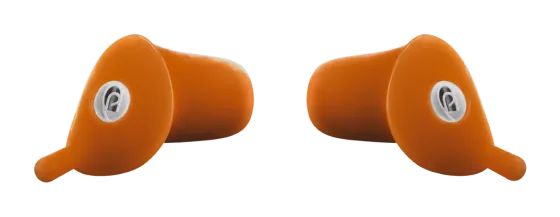
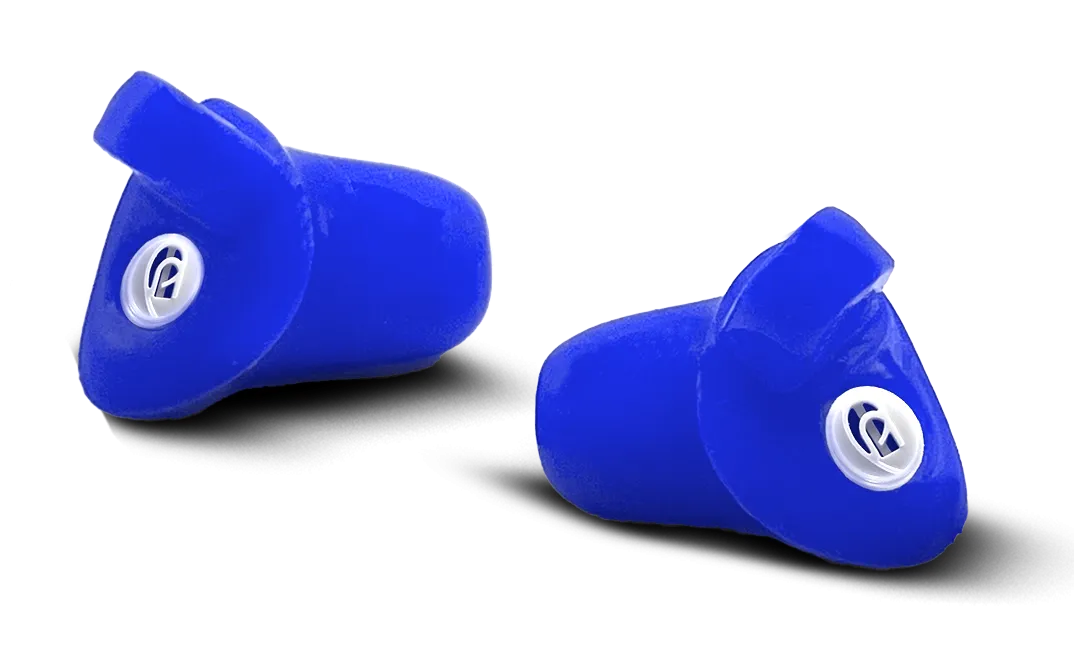
New noise damage can make tinnitus louder. Protect your ears in loud sound with custom earplugs — and only there: not in quiet situations.
This page was written by the Audinc team based on the sources below. It provides general information and does not replace medical advice.

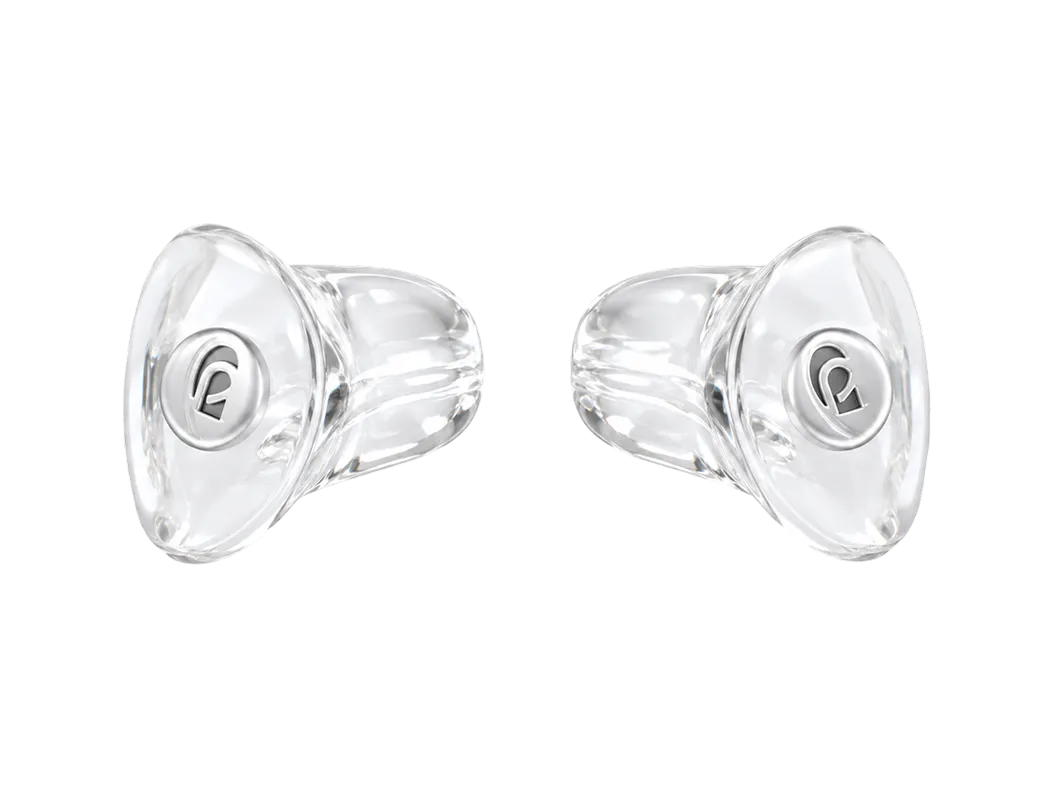
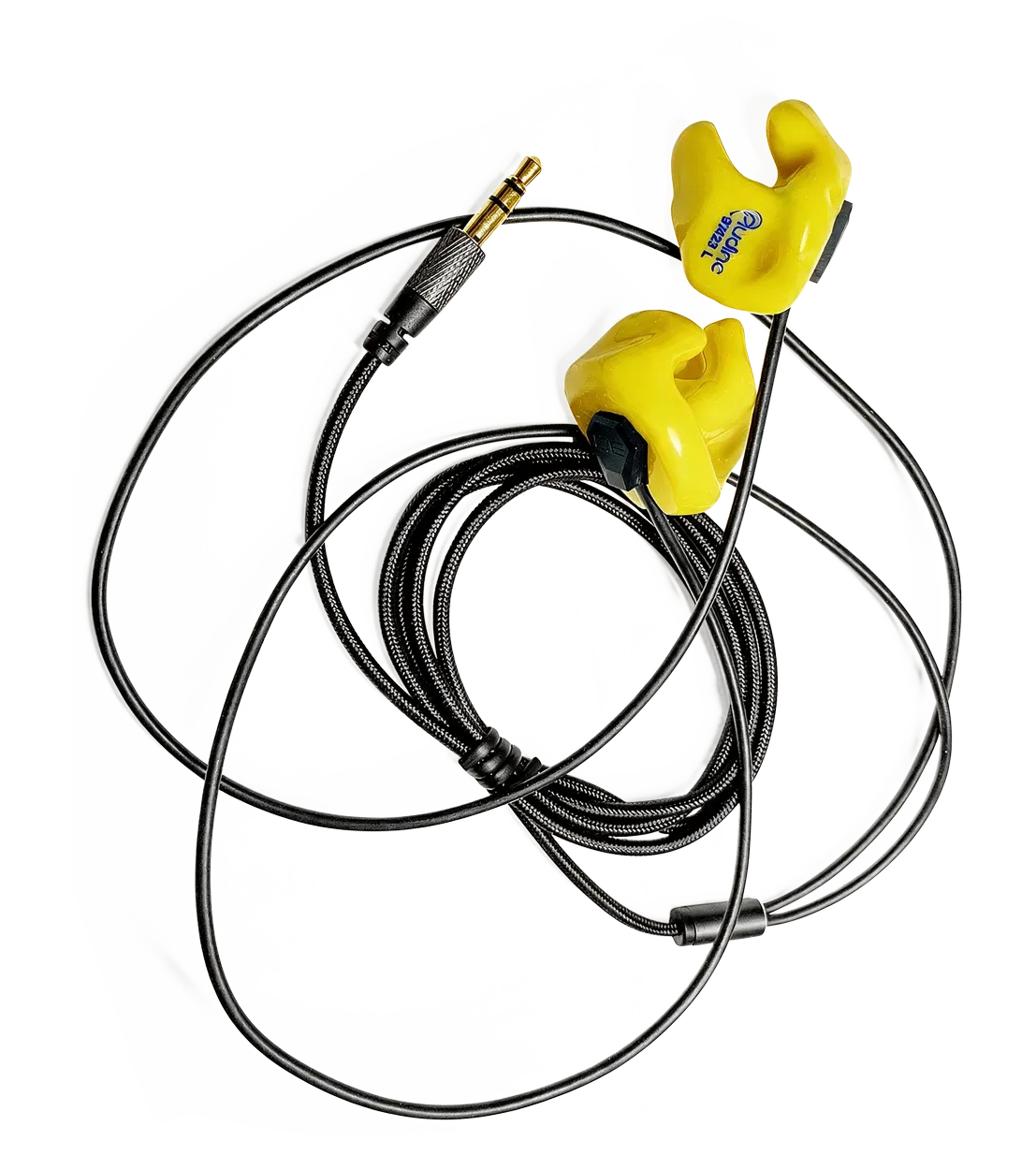
Noise damage is permanent, but it can be prevented. Custom earplugs with a filter bring the volume down to a safe level, while music and voices stay clear. And because they fit perfectly, you actually wear them. Choose a version for music and festivals, work or the motorcycle.
Tinnitus Cause Lies in the Brain, Not the Ears
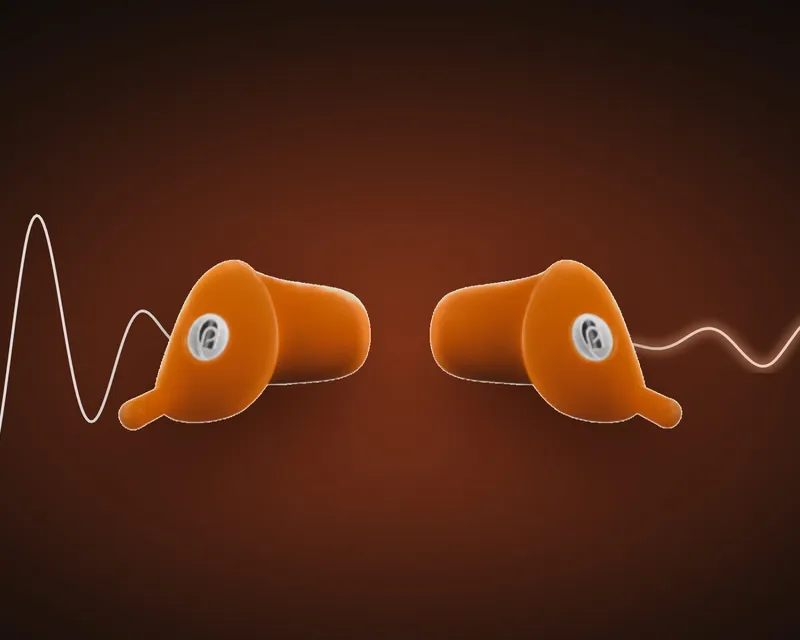
How to Prevent Tinnitus

Chris Martin and 4 Other Famous Artists With Tinnitus

Earplugs for going out: hearing protection in the nightlife
Tinnitus, or ringing in the ears, means hearing sound when there is no sound source: ringing, whooshing, humming, buzzing or thumping. It usually happens because your brain amplifies the signal for pitches where your ear delivers less input, for example after noise damage. An estimated 14% of adults worldwide have it.
Yes. Tinnitus is the medical name; ‘ringing in the ears’ is the everyday term. Both mean you hear a sound with no source around you, whether it rings, rushes, hums or thumps.
The main symptom is hearing a sound that no one else hears — ringing, hissing, buzzing, humming or thumping — in one or both ears or in your head. If you hear it regularly, you have tinnitus. Use the tinnitus test on this page to find out which sound fits best. A GP or audiology clinic can then measure your hearing and the tinnitus accurately.
A short ringing that lasts a few seconds and fades on its own is very common and harmless. If you hear ringing after a concert, festival or loud bang, your ears have been overloaded: give them a rest. If the ringing stays, or you hear worse on one side at the same time, call your GP or doctor the same day.
It’s different for everyone. The most common form is a high ringing or whistling tone. Other people hear hissing, rushing, humming, buzzing, clicking or a pulsing sound in time with their heartbeat. On this page you can listen to all the tinnitus sounds and use the tinnitus test to find the sound that fits best.
The best-known cause is noise damage from concerts, festivals, work or loud headphones. Ageing, an earwax plug, a cold, stress, tension in the jaw or neck, some medicines and the blood vessels around the ear can also play a part. Often there is no single cause.
There is no medicine (yet) that cures tinnitus. But the cause can sometimes be treated, such as earwax, an infection or fluid behind the eardrum. For lasting tinnitus, sound enrichment, a hearing aid for hearing loss and support from an audiology clinic, such as cognitive behavioural therapy, can bring relief. For most people the tinnitus then bothers them clearly less.
Temporary tinnitus after a loud night usually disappears within a day. Tinnitus caused by a cold or earwax also often fades once the cause is gone. If you’ve had it for more than three months, it’s called chronic tinnitus; it usually doesn’t disappear completely, but for most people it does become less of a burden.
Yes. Temporary tinnitus after loud sound, after a cold or from earwax in particular can suddenly stop once the cause is gone. Chronic tinnitus can also vary a lot from day to day or be barely audible for a while. If it comes back after loud sound, that’s a signal to protect your ears better.
Yes. New noise damage can make tinnitus louder or add a new tone. Stress and lack of sleep often make it temporarily worse too. So protect your ears well in loud sound, for example with custom earplugs.
Sometimes, especially with a pulsing or whooshing sound in time with your heartbeat (pulsatile tinnitus). Blood pressure or the blood vessels around the ear, such as a narrowing, may then play a part. For most types of tinnitus, blood pressure is not the cause. If you hear your heartbeat in your ear, always have it checked by your GP or doctor.
Don’t sit in complete silence, because that makes the sound stand out. Don’t turn music up loud to drown out the tinnitus, don’t wear earplugs in quiet situations and don’t poke around in your ear with cotton buds. And don’t keep searching for miracle cures: a pill or supplement that cures tinnitus doesn’t exist (yet).
Stress rarely causes tinnitus on its own, but it does make the sound louder and more noticeable. Relaxation, exercise, a regular sleep pattern and a soft background sound help your brain push it into the background. If it keeps taking over your days, talk to your GP or doctor; support such as cognitive behavioural therapy works well for many people.
In a quiet bedroom your brain has nothing else to focus on, so the tinnitus stands out. A soft background sound, such as a fan, rain or quiet music, makes it less noticeable. In the module Silence makes tinnitus louder you can hear the difference for yourself.
Often the cause is harmless, such as earwax, a cold or noise that mainly reached one side. If it doesn’t go away, have it checked by your GP or doctor. If it came on suddenly and you also hear worse on that side, call the same day.
Your balance organ sits right next to the cochlea in the inner ear, so symptoms can occur together, for example with Ménière’s disease or an inner ear infection. If you have tinnitus together with dizziness or vertigo, a full feeling or fluctuating hearing, see your GP or doctor.
That depends on the cause. If the noise comes from an earwax plug, it often disappears once the ear is clean. After a cold it usually fades on its own. If the noise is lasting, a soft background sound helps to push it into the background.
Usually, yes. A cold or middle ear infection can cause negative pressure or fluid behind the eardrum, giving you a rushing sound and a muffled feeling. This often clears up on its own within a few weeks. If it lasts longer, or you get ear pain or a fever, see your GP or doctor.
Always with sudden tinnitus and worse hearing (call the same day), with a pulsing sound in time with your heartbeat, with tinnitus on one side that doesn’t go away, and with dizziness, ear pain or fluid coming from the ear. And of course if the sound strongly affects your sleep or daily life.
Earplugs don’t cure tinnitus, but they do stop it getting worse by protecting your ears from new noise damage. Wear them in loud sound, not all day in quiet situations: that actually makes your hearing more sensitive and the tinnitus more noticeable. With filtered custom earplugs, such as the Custom Music, music stays clear while the volume comes down to a safe level.
Yes. An earwax plug can cause a muffled feeling and a rushing sound. Don’t use cotton buds, as they push the wax deeper. At our service points in the Netherlands you can have earwax removed.
There is no vitamin or supplement that has been proven to reduce tinnitus. If you suspect a deficiency, for example of vitamin B12, have it checked by your GP or doctor instead of buying products yourself.
No. The test helps you describe the sound and gives insight and tips, but it doesn’t replace a medical examination. Headphones and speakers don’t reproduce every pitch equally well, so the frequency you find is an approximation. If you’re unsure or recognise a warning sign, see your GP or doctor.
Cookies on this site
Necessary cookies keep the site working. With your permission we also measure how the site is used and how our campaigns perform. You can change your choice at any time. Read our privacy statement
Cookie preferences
Choose which cookies we may place. Necessary cookies always stay on — without them the site, the shopping cart and booking an appointment do not work.
Necessary
Always onNeeded for the site itself: your language, the shopping cart and form security. No tracking.
Anonymous figures about pages, devices and visitor numbers, so we can improve the site.
Measures which ad led to an appointment or order, and makes relevant advertising possible.