






Surf Earplugs: Prevent Surfer's Ear With the Right Protection

Protect your ears from surfer's ear with custom surf earplugs from Audinc. Learn how to prevent surfer's ear and keep surfing or kitesurfing in comfort »
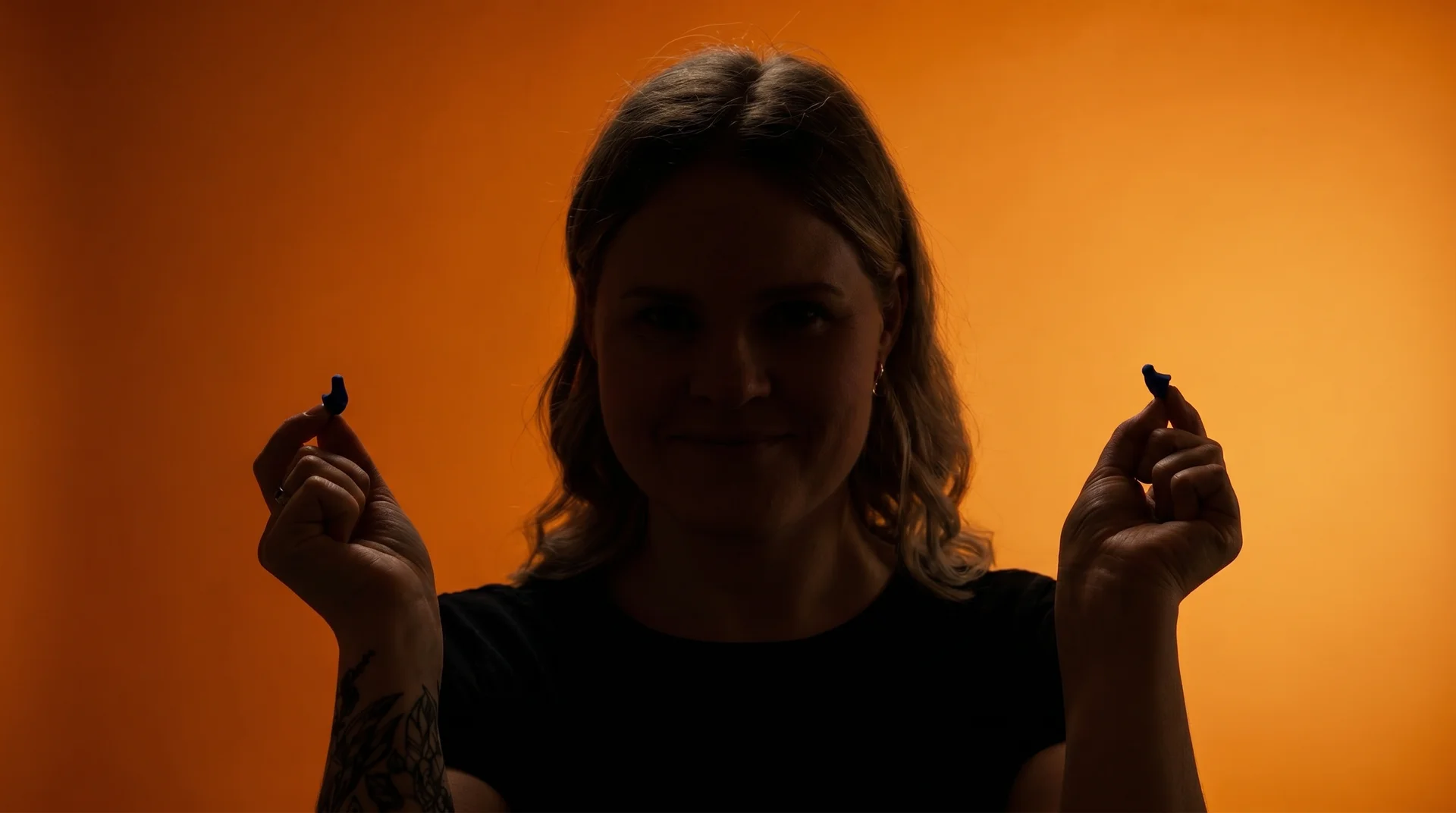
Take the next step for your hearing
Surfing, kitesurfing or other water sports in cold water and strong wind can put your hearing at risk. One common problem is so-called surfer’s ear, a benign bony growth in the ear canal that can lead to hearing problems. The good news is that you can prevent it with the right surf earplugs, and even better: custom surf earplugs that fit your ears perfectly. In this article we explain what surfer’s ear is, what consequences it can have and how to protect your ears effectively.
What is surfer’s ear?
Surfer’s ear develops when bone grows in the ear canal in response to prolonged exposure to cold water and wind. This bony growth, also known as exostoses, can narrow the passage of your ear canal. The consequences include:
-
Hearing loss or a muffled feeling
-
Frequent ear infections
-
Earache
-
Dizziness in severe cases
Although it is a slow process, surfer’s ear can eventually cause permanent hearing loss. Athletes who regularly spend time in cold water of 20° Celsius or below are especially at increased risk.
Who is at risk?
Anyone who surfs, kitesurfs or windsurfs often can develop surfer’s ear. Recreational athletes who only get in the water a few times a year are less likely to develop this condition. Professional surfers and serious amateurs who train regularly in cold conditions face the greatest risk.
How do you prevent surfer’s ear?
Prevention is always better than cure. The best way to prevent surfer’s ear is to protect your ear canal from cold, water and wind. Some effective measures include:
- Use surf earplugs or custom surf earplugs
Custom-made surf earplugs seal your ears completely and keep water out, without cutting you off entirely from the sounds around you. They are comfortable to wear and protect your ears against bony growth and infections.
- Avoid prolonged exposure to cold water
Limit your time in the water when the temperature drops below 20° Celsius or in strong wind. If you notice your ears getting cold or painful, it is wise to warm up for a while.
- Protect yourself with a neoprene surf cap or swim cap
A neoprene cap covers your ears and neck completely and reduces the risk of water and cold wind reaching your ear canal directly. This is especially useful when kitesurfing or windsurfing in windy conditions.
- Keep your ear canal dry
After surfing, it is important to dry your ears thoroughly. Dry ears reduce the chance of infection and help any irritation heal more quickly.
Why surf earplugs matter
Wearing surf earplugs or custom surf earplugs not only protects you against surfer’s ear, it also lowers the chance of painful ear infections and a ruptured eardrum from hard impacts with the water. Have your custom earplugs made and keep training in comfort and safety, even in cold weather and strong wind.